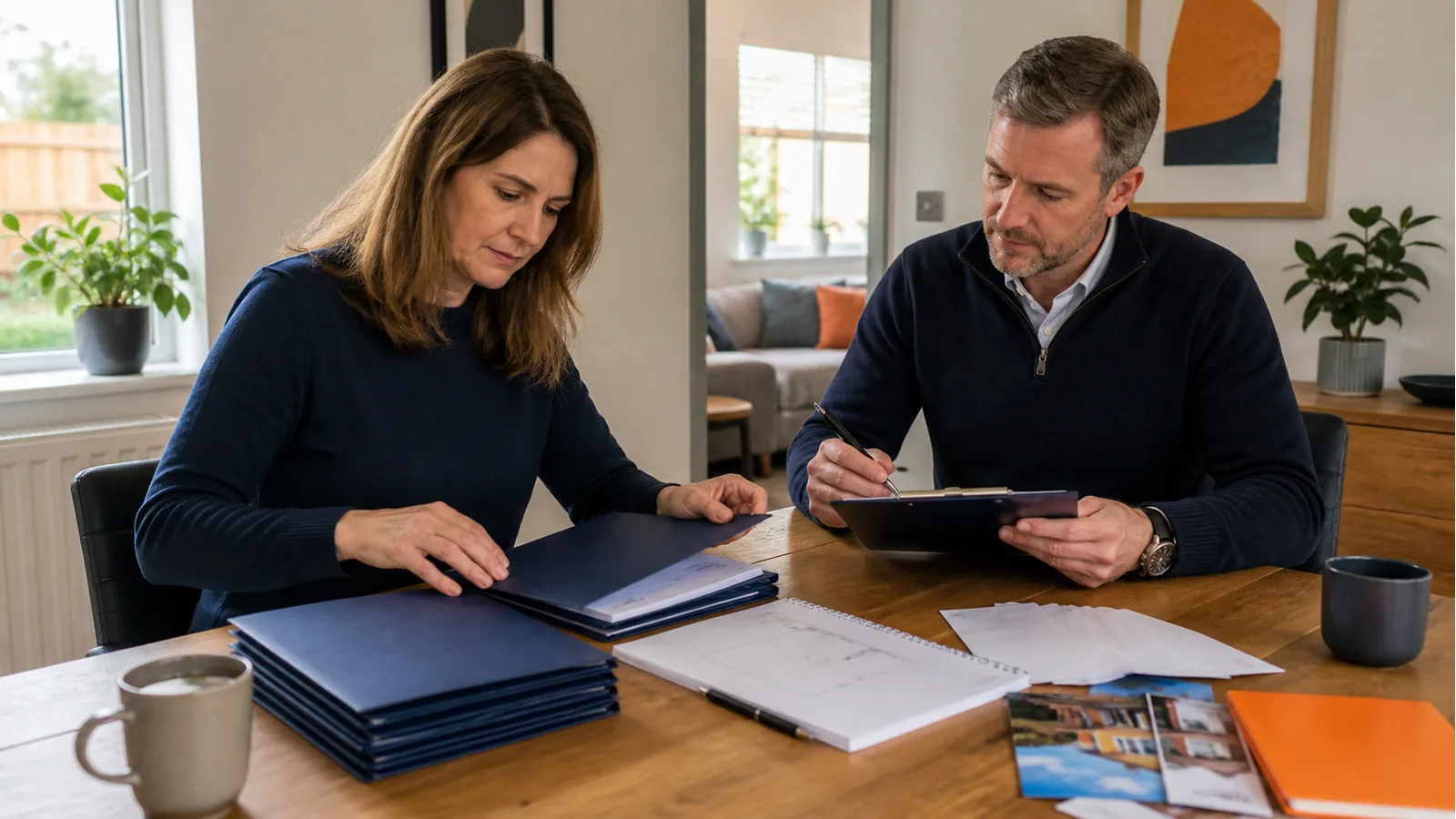
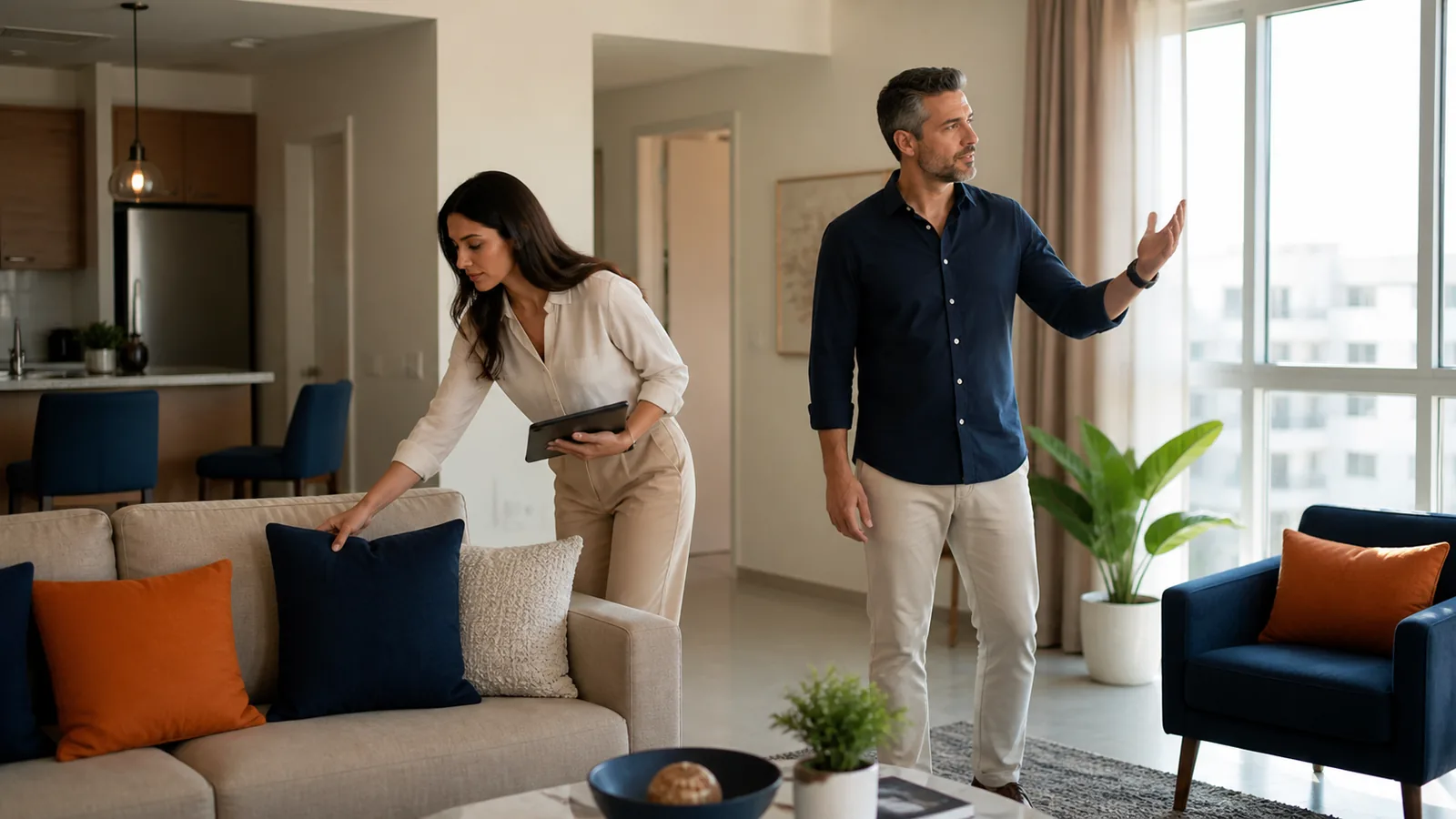
Good preparation does not mean hiding a home’s condition. It means presenting it cleanly, documenting it properly and making the viewing and decision easier for suitable buyers.
Prepare the property
Repair obvious small defects, clean thoroughly, remove personal clutter and make sure lights, water, air-conditioning and keys are ready to demonstrate. Keep furniture arrangement simple enough to show space and circulation.
Prepare the information
Collect the ownership and purchase documents available to you, utility information, maintenance position, inventory and any relevant building or resort details. Ask what an independent buyer’s lawyer is likely to request.
- Accurate size and room information
- Clear list of included furniture
- Maintenance and utility status
- Access and viewing arrangements
- Known defects or outstanding work
- Realistic price and completion timing
Use honest photographs
Photograph in daylight, keep vertical lines natural and show the actual view. A clear wide image and a logical sequence are more useful than heavy editing or exaggerated angles.
Make viewings easy
Agree notice, key access and who can answer questions. A property that is easy to inspect and supported by organized information is easier for a serious buyer to evaluate.
Resolve questions before buyers ask them
Collect the ownership documents, identification, utility information, maintenance position and any authority needed for signing. Prepare a clear list of what is included in the sale. Missing information can slow a serious buyer and reduce confidence at the point of negotiation.
If the property has an unpaid fee, repair issue or document step, understand it early and decide how it will be handled. Transparency allows the transaction to be planned rather than disrupted later.
Present the home honestly and clearly
Clean, declutter and repair visible minor defects. Open curtains, replace failed bulbs and make balconies and outdoor areas usable. Photographs should show accurate proportions and the real condition without hiding important limitations.
Set the asking price by comparing similar homes, current condition and location—not only the amount invested or a neighbour’s advertisement. A well-positioned price can attract qualified conversations and reduce unproductive negotiation.
Prepare evidence before marketing
Collect ownership and authority documents, maintenance information, utility position, an accurate inventory and a clear record of improvements. Resolve obvious defects where practical and decide which items are included. Buyers respond more confidently when the property and paperwork tell the same story.
Agree an asking strategy based on comparable alternatives, condition and the seller’s timing rather than personal expenditure alone. Use photographs that show the real layout and arrange viewings so access is reliable. Clear preparation reduces avoidable negotiation and helps serious buyers act with better information.
Clarity builds confidence: a well-presented home and an organized file work together.
Continue Your Research
Compare the current properties for sale, review the available Red Sea projects, or explore the Hurghada area guides.
This article provides general property guidance and is not a substitute for independent legal, financial or tax advice about your circumstances.