
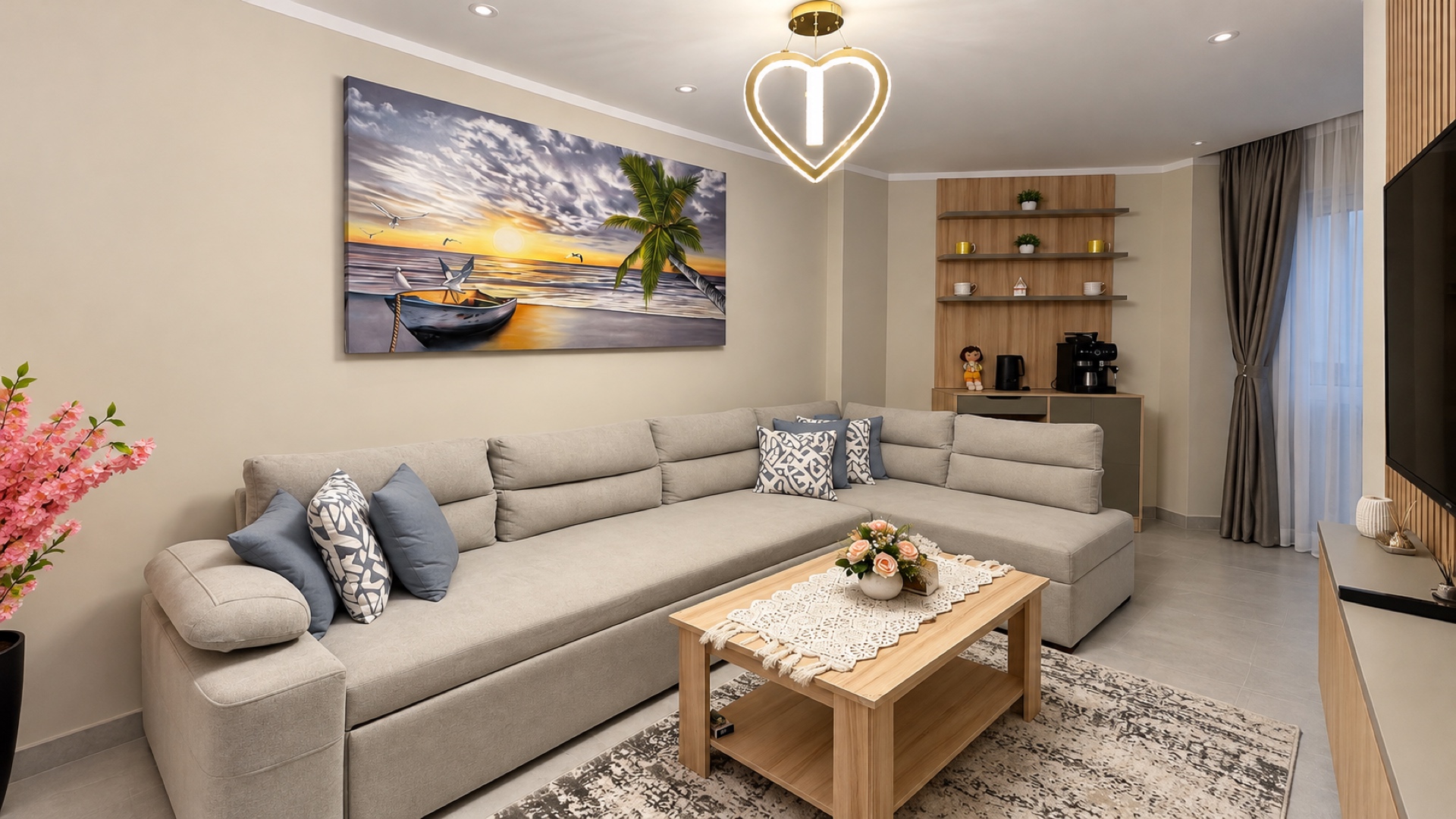
Selling a furnished apartment means presenting two connected things: the property and the contents offered with it. Good preparation makes both easier to understand. Buyers should be able to follow the layout, see the real outlook, recognise the furniture package and arrive at a viewing with realistic expectations. You do not need to make the home look like a different property. You need accurate photographs, a well-organised listing and a clear record of what stays. This guide concentrates on furnished-sale preparation rather than repeating a general pricing or ownership-document checklist.
Decide what stays before the camera arrives
Walk through each room and separate included furniture from personal possessions and items you intend to remove. Make that decision before commissioning photographs where possible. A prominent television, coffee machine or terrace set can become part of a buyer’s expectation even if you never intended to include it. Record exclusions clearly instead of trying to explain them late in negotiations.
Prepare a room-by-room inventory with quantities, useful descriptions and condition notes. Photograph distinctive items and identify repairs you plan to complete. If an item will be replaced, confirm the replacement before promising it in the listing. Our furnished-apartment inventory guide provides the same structure a buyer can use at handover, which helps both parties work from one record.
Prepare the home without disguising its condition
Clean surfaces, windows, bathrooms and kitchen areas; make beds neatly; organise loose cables and remove unnecessary clutter. Open curtains where appropriate and use the home’s normal lighting so rooms can be understood. Address straightforward maintenance issues through the right professional rather than covering them with decoration. Keep receipts for completed work that may be relevant to the buyer.
Do not conceal damp marks, cracked finishes or damaged furniture simply to improve the photographs. If a defect is awaiting repair, record it and explain the planned action accurately. Presentation should make the apartment easier to inspect, not harder. A buyer who finds the home consistent with the listing can spend the viewing evaluating suitability instead of trying to reconcile contradictions.
Build a photo sequence that explains the apartment
Choose a hero image that communicates a genuine leading feature: a waterfront terrace, a bright living room or a compelling outlook from the property. Then show the main living area, kitchen, each bedroom, bathroom and outdoor space in a logical order. Include reverse angles where they explain circulation or storage, not simply to increase the image count.
Keep room proportions credible. Avoid extreme lens distortion, heavy filters or edits that remove permanent features, neighbouring buildings or defects. If brightness and colour are adjusted, preserve the real appearance. Separate actual apartment photographs from project illustrations or surrounding-area images and label them clearly. A nearby beach photograph should not imply that the apartment itself has that exact view or an unverified access right.
Show the view from the apartment’s normal positions
Photograph the outlook from the terrace and the rooms where it is visible, with enough context to show where the camera is positioned. Include the foreground and nearby structures rather than cropping them away to create a misleading impression. If only one room has a sea view, describe that accurately. A view shot should answer a buyer’s question, not create a promise the viewing cannot fulfil.
Daylight usually helps explain the rooms, while a small number of evening photographs can show outdoor use or the waterfront setting. Do not use evening images as the only evidence of condition. For a rooftop terrace, show access and the usable layout as well as the scenic angle. Keep indoor and outdoor area descriptions separate until their measurement basis has been confirmed.
Protect privacy and permission
Remove identity documents, bills, family photographs, medicines, visible access codes and other personal information before shooting. Check mirrors and reflective surfaces for unintended details. Obtain permission before photographing an occupied property and respect the occupant’s belongings and schedule. Avoid publishing identifiable people without appropriate permission.
Agree who can use the photographs and where they will appear. Keep a dated set of approved images so agents and portals use the same current material. If furniture or condition changes later, update the affected photographs and inventory. Do not continue advertising an item as included after it has been removed. Consistency across channels matters more than uploading as many images as possible.
Write a listing that answers the first serious questions
Lead with the property type, location and strongest verified features. State the asking price and currency, the area with its known basis, bedroom and bathroom counts, furnishing status and payment terms that have actually been agreed. Identify a terrace separately and distinguish views from access rights. If the area basis is not yet established, do not describe it as internal living space by default.
Keep project facilities and unit inclusions in separate sections. A paid maintenance deposit should be supported by evidence and not rewritten as no future costs. Discounts, beach access and club benefits should retain their applicable conditions. Avoid guaranteed-rental claims or unsupported superlatives. Give buyers a clear next step: request the details or arrange a viewing.
Keep viewing, negotiation and handover consistent
Prepare a concise viewing pack: current listing details, the inventory, available plan, maintenance evidence and a note of known work or exclusions. Keep sensitive ownership documents for an appropriate secure review process, not a public photo gallery. Answer questions from one current record so different viewers do not receive conflicting descriptions.
When negotiating, record changes to the furniture package or repair obligations alongside price changes. Before handover, compare the home with the agreed inventory and condition record, remove personal accounts from connected devices and organise keys and access cards. The seller benefits from this discipline too: it reduces last-minute disagreements about an object that appeared in a photograph months earlier.
Your furnished-sale preparation checklist
If you are preparing to sell, contact Harmony Properties with the location, property details, asking price and current photographs. Start with accurate information and an agreed inventory; the marketing can then be built around the home’s real strengths. For the wider document preparation, continue with our seller’s document-pack guide. A premium listing is not the most exaggerated one. It is the one that helps the right buyer understand the home clearly and move forward with fewer unanswered questions.
- Inclusions and exclusions decided before photography.
- Cleaning and relevant repairs completed without hiding defects.
- Logical, accurate photographs with privacy protected.
- Price, area, payment terms and benefits described precisely.
- One current inventory and viewing pack used through handover.
Continue Your Research
Compare the current properties for sale, review the available Red Sea projects, or explore the Hurghada area guides.
This article provides general property guidance and is not a substitute for independent legal, financial or tax advice about your circumstances.