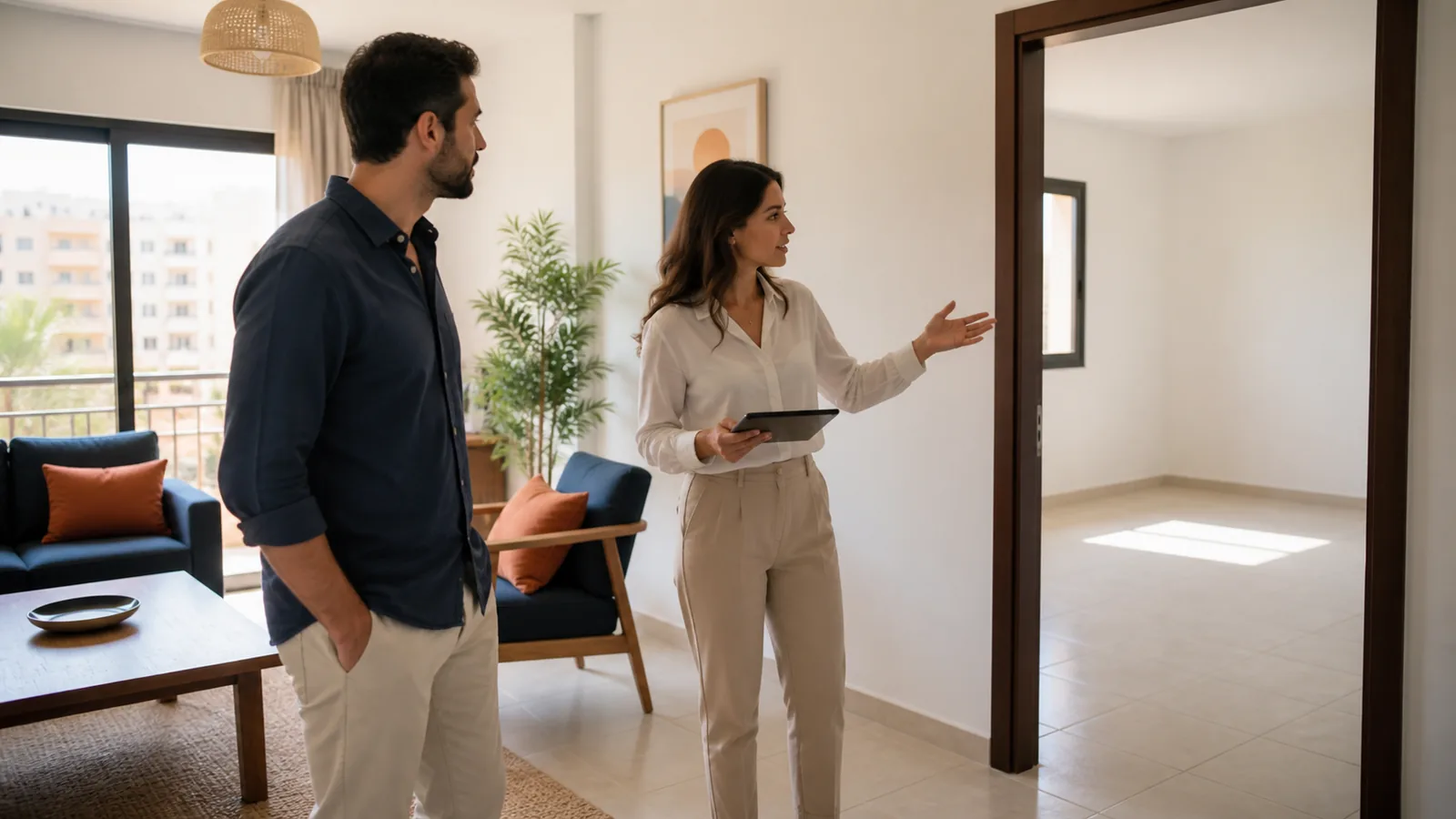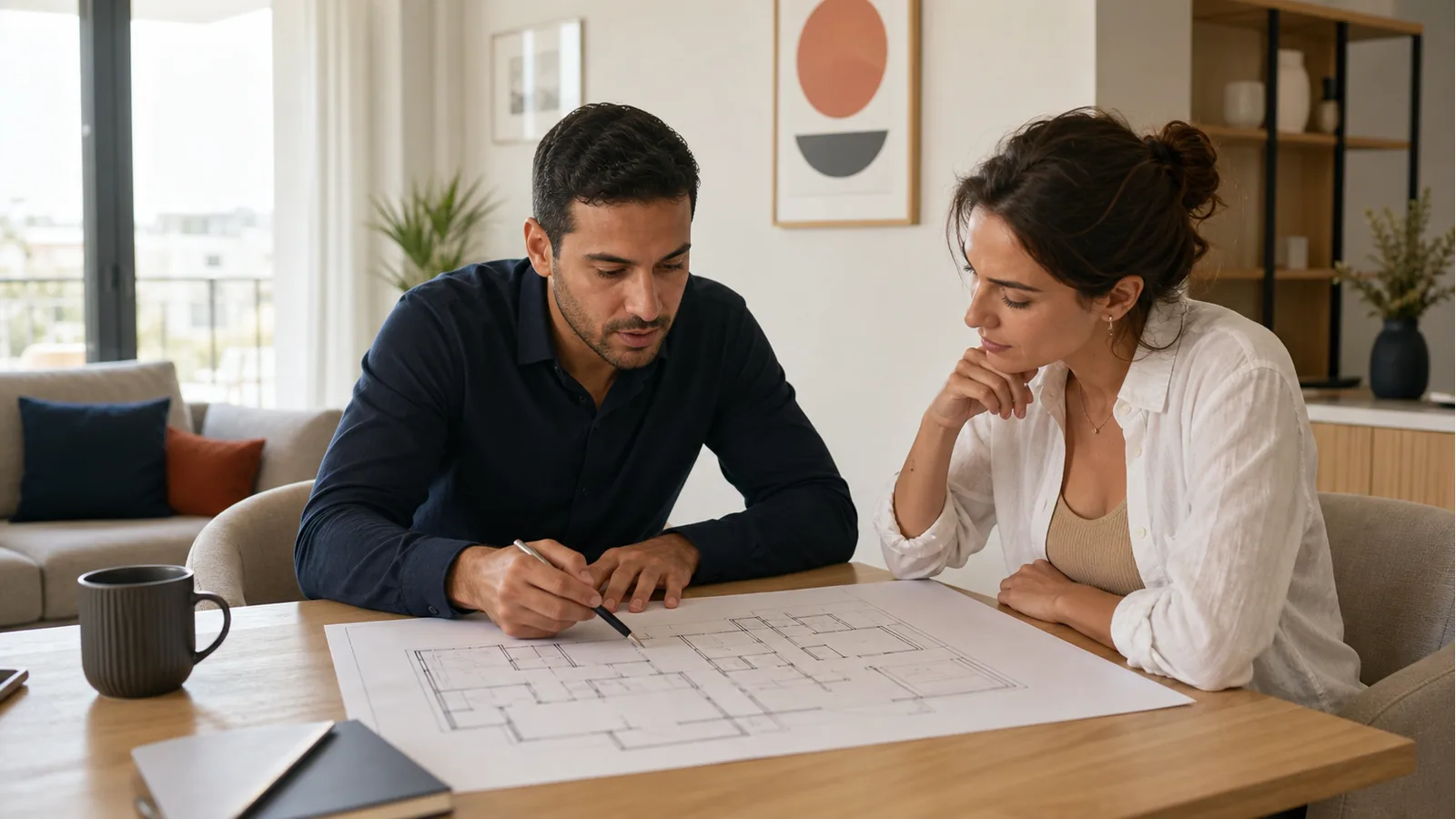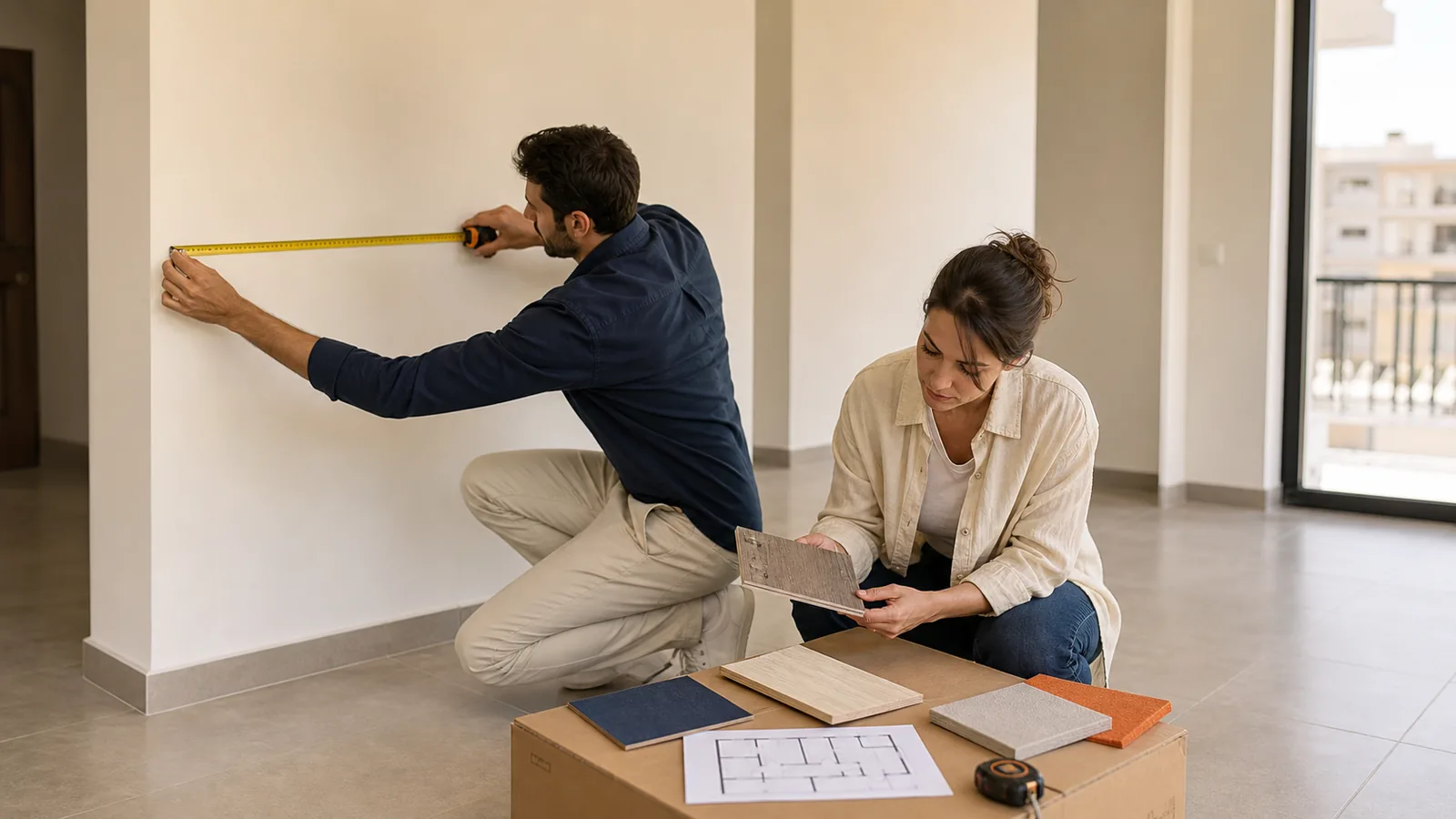
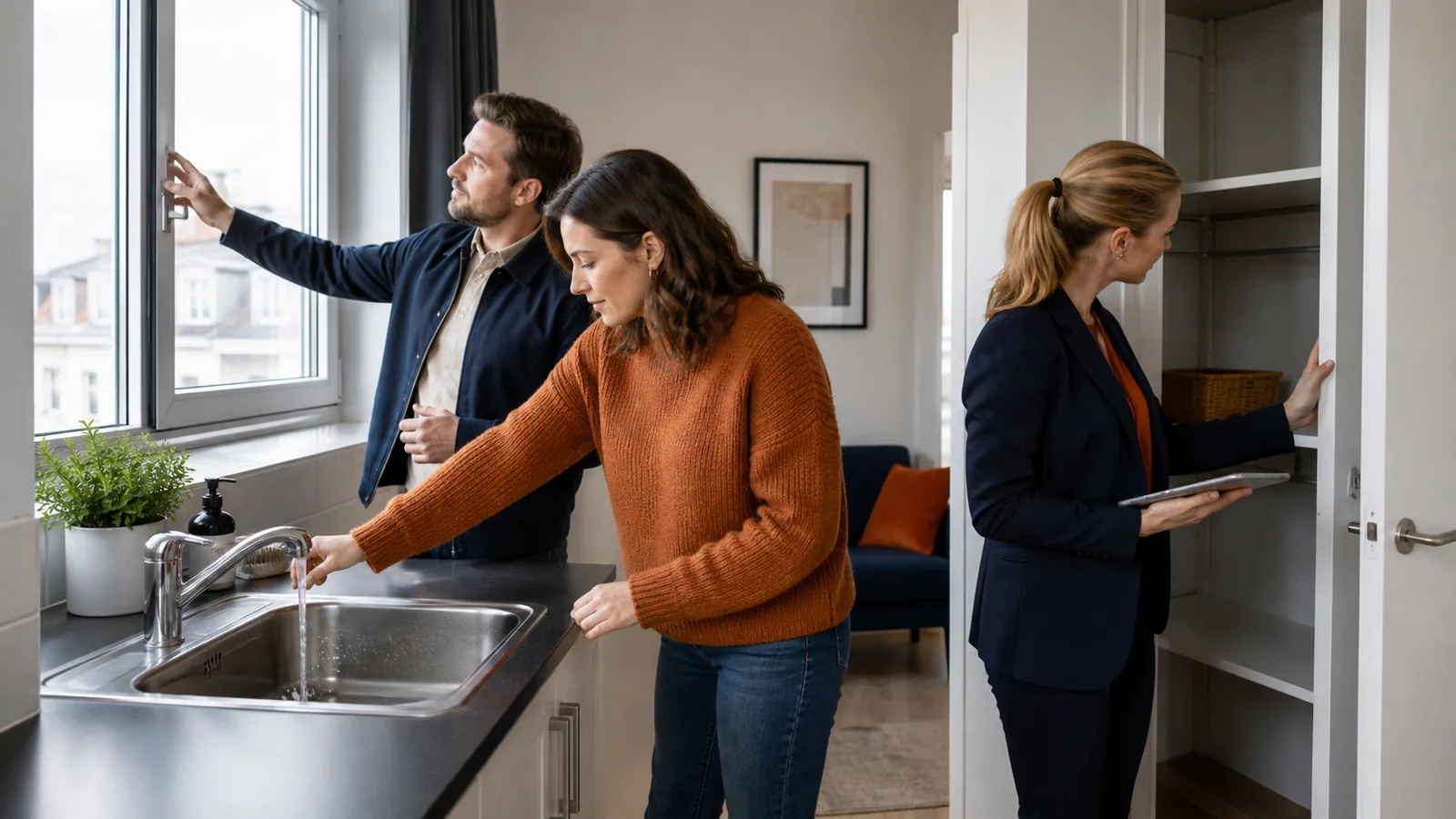
A viewing is not only about whether a home feels attractive. It is your opportunity to understand the building, the practical condition and how the property will work in daily life.
Look before entering
Notice the access road, parking, neighbouring buildings, noise and distance to the services you will actually use. Check the entrance, stairs, lifts, lighting and general maintenance of shared areas.
Inspect the home systematically
Move through the property in the same order each time so details are not missed.
- Walls, ceilings and signs of moisture
- Windows, doors, locks and balcony rails
- Water pressure, drainage and visible plumbing
- Electrical points, air-conditioning and ventilation
- Natural light, orientation and actual view
- Furniture and appliances included in the sale
Ask operational questions
Clarify water and electricity arrangements, maintenance, security, cleaning, beach or pool access and any restrictions on use or rental. Ask which costs are regular and which are one-time.
Record, then compare
Take permitted photos and short notes immediately. Avoid making the final comparison from memory. After the visit, separate cosmetic work from structural or administrative concerns and request answers in writing.
Inspect the building, not just the apartment
The entrance, stairs, lift, roof, external walls and service areas reveal how the building is managed. Look for water marks, exposed wiring, damaged finishes and blocked access. Ask how common maintenance is organised, which costs are shared and whether any major work is expected.
Visit the immediate street as well. Daytime activity can hide evening noise, difficult parking or limited lighting. If the property is for holidays or rental, imagine a first-time guest finding the building and accessing it with luggage.
Test what cannot be improved easily
Paint and furniture can change; orientation, room proportions, neighbouring buildings and access usually cannot. Check whether doors open comfortably, wardrobes can fit, bedrooms offer privacy and the balcony is genuinely usable. Stand at each window and consider the possibility of future construction nearby.
Record the electricity and water setup, air-conditioning condition and hot-water system. Ask what remains in the sale and photograph agreed items. A calm second viewing is often more valuable than a fast decision after the first.
Record what cannot be fixed easily
Furniture and paint can change. Orientation, access, room proportions, neighbouring construction and the condition of the wider building are harder to alter. Photograph or note these points during the viewing, then revisit the property at a different time if light, traffic or surrounding activity matters to you.
After the viewing, separate observations from promises. Write down what you saw, what the seller or adviser stated and what still needs documentary confirmation. Ask for the inventory, maintenance position and any repair commitment in writing before reservation. A disciplined ten-minute review after each visit makes later comparisons much more reliable.
The best viewing leaves you with evidence and clear questions—not only a good first impression.
Continue Your Research
Compare the current properties for sale, review the available Red Sea projects, or explore the Hurghada area guides.
This article provides general property guidance and is not a substitute for independent legal, financial or tax advice about your circumstances.