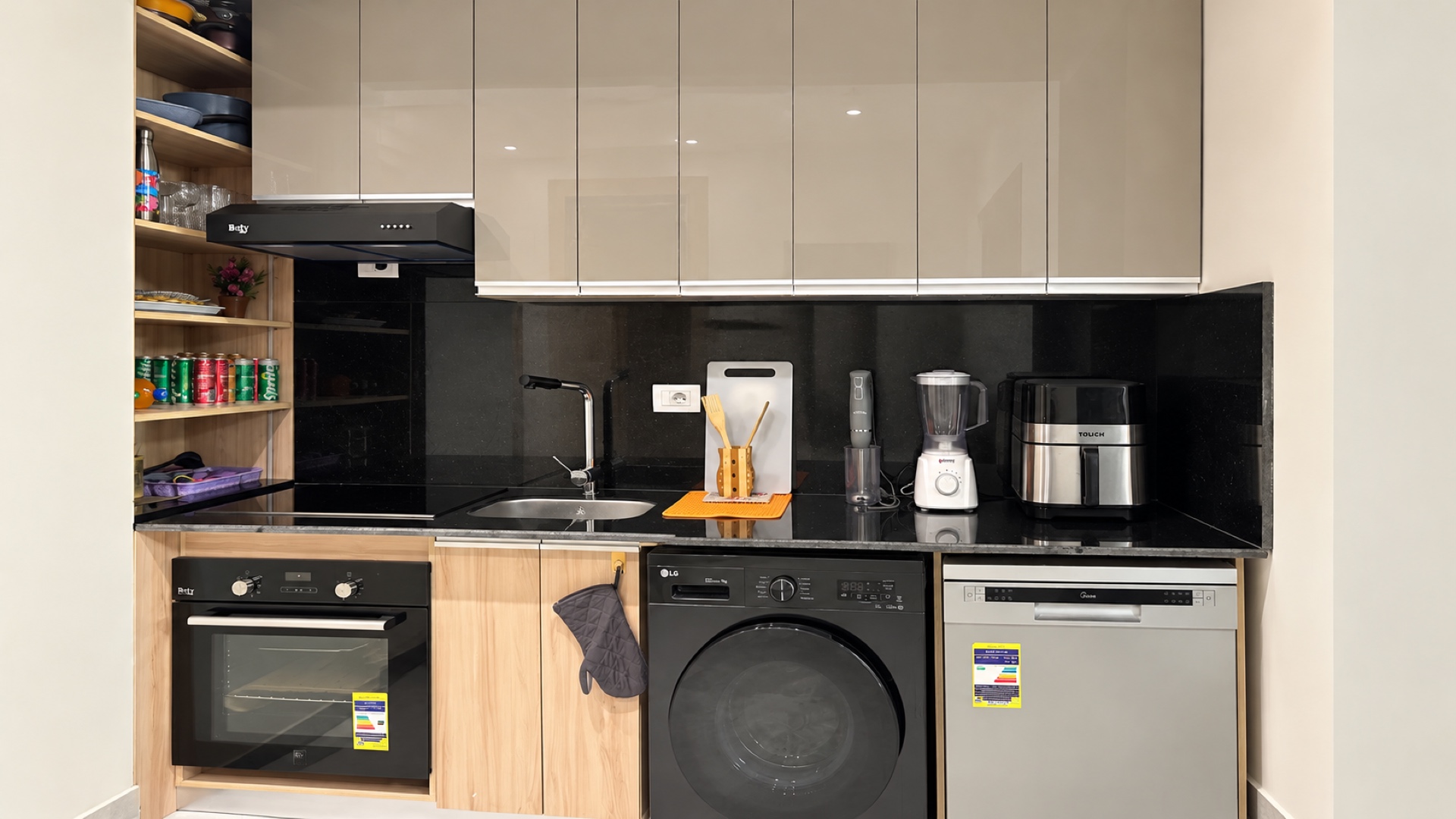

The keys are in your hand, the suitcases are inside and suddenly a property becomes a home with questions attached. Which switch controls the water heater? Who handles a leak? Where does a delivery driver stop? The first month is easier when you organise it around a few useful outcomes rather than trying to finish everything on arrival day. The schedule below is a suggested sequence, not a promise that utilities, documents or services will be completed within thirty days. Adapt it to your handover terms, length of stay and household. Keep unresolved purchase or legal matters with the professionals handling the transaction.
Before arrival: make one reliable home file
Collect the agreed handover arrangements, a complete address and map pin, the contact for access and the list of items included with the home. Confirm the arrival time and what happens if your flight is delayed. If someone receives the property for you, establish their authority and the records they should send. A key collection is not a substitute for a documented condition check.
Keep copies of essential records in a secure place you can access while travelling. Separate general contact information from identity documents and financial records; do not put sensitive material in an open group chat. Ask for equipment manuals, meter identifiers, warranty details and the building-management contact where available. For a furnished purchase, arrange an inventory that is specific enough to resolve a missing or substituted item without relying on memory.
Days 1–3: record the starting condition
Take dated photographs of rooms, included equipment, meter readings and any defects. Match the keys and access cards to their locks and entrances. Test basic functions within your competence, and ask a qualified person to deal with electrical, plumbing or equipment concerns. Do not accept a verbal promise to fix something as a complete record: note the issue, responsible party and proposed next step in writing.
Ask the appropriate manager or technician to show you relevant isolation points and operating instructions. Identify anything that must remain powered or supplied for building systems before changing settings. Learn how deliveries, visitors, rubbish collection and maintenance access work. These questions may feel less exciting than furniture shopping, but answering them early prevents repeated disruption. If a serious defect appears, document and report it through the agreed handover process rather than concealing it with a quick cosmetic repair.
Week 1: get the accounts and connection questions straight
For each utility, establish who holds the account, how charges are calculated, where payment goes and whether any balance remains from before handover. Request the applicable transfer or setup process from the provider or authorised management. Buildings can use different arrangements, so a neighbour's explanation is a lead to check, not proof of your own obligations. Keep receipts and the initial meter record together.
For internet, ask what can actually be supplied to this unit, whose name is on the account and what installation or equipment is needed. Check data allowances as well as the advertised speed. If you need a local mobile line, use an operator's official outlet and confirm current identity and residency-document requirements; the telecom regulator publishes specific registration rules for foreign customers. Do not use somebody else's registered line as a shortcut. Test your working connection before relying on it for an important call.
Week 2: make the neighbourhood familiar
Choose a practical grocery shop, a pharmacy, a place for household essentials and a transport arrangement you can repeat. Test the return journey with purchases and save the correct delivery pin. In El Dahar, El Hadaba or Intercontinental, for example, the useful routes depend on the exact street and entrance, not just the district name. The same method applies to more spread-out locations along Village Road and further south in Safaga.
Spend time outside at different points in the day. Notice where you prefer to walk, where crossings are awkward and whether evening noise reaches your bedroom. Introduce yourself to the appropriate building contact and clarify how to report a problem. You are building a small network of verified contacts, not giving unrestricted access to the property. Check identities and agree the scope and price of any service before work begins.
Week 3: furnish around habits, not an empty floor plan
Live with the layout before ordering every large item. Measure doors, lift access, corners and the space needed to use furniture, not merely its footprint. Decide where you read, work, dry laundry and store cleaning equipment. Check socket positions, appliance connections and any installation restrictions with the relevant professional. A room that looks generous when empty can become awkward if circulation is ignored.
Prioritise comfortable sleeping, lighting, practical storage and the essentials for cooking or working. Keep a record of measurements, quotations, delivery terms and warranties. Do not assume assembly, installation or removal of packaging is included. Our furnishing and move-in budget guide can help separate immediate needs from purchases that can wait. Delaying a decorative choice is often easier than correcting a sofa or appliance that does not fit.
Week 4: review what your new routine is teaching you
Review actual spending on groceries, transport, utilities and small repairs. Keep one-off setup costs separate from recurring costs; otherwise the first month can give a misleading picture of normal life. Note which services worked, which need a backup and which home adjustments would make the biggest difference. Put unresolved handover items back in front of the responsible party with the original records.
If you will leave after a short stay, prepare the property for absence rather than simply locking the door. Agree inspections, key custody and equipment settings with suitable professionals and your insurer where applicable. Use our holiday-home care checklist to plan that handover. The goal at the end of the month is not a perfect home; it is a home whose systems, contacts, costs and remaining questions you understand.
- Handover photos, inventory and initial meter readings saved.
- Account holders, payments and service contacts confirmed.
- Daily routes and internet tested in real use.
- One-off and recurring costs recorded separately.
- An absence plan prepared if this is a part-time home.
Continue Your Research
Compare the current properties for sale, review the available Red Sea projects, or explore the Hurghada area guides.
This article provides general property guidance and is not a substitute for independent legal, financial or tax advice about your circumstances.