The purchase price is not always the amount required to make a property comfortable and ready to use. An unfurnished home may need a complete interior. A furnished resale may still need mattresses, appliances, curtains, repairs and replacements. Planning these costs early helps buyers compare homes on a like-for-like basis.
Define the target standard first
A permanent home, personal holiday apartment and rental property have different priorities. Write a short standard for the finished home: number of people, frequency of use, storage needs, preferred quality and whether it will be rented. This prevents spending on decorative items before essential systems and durable furniture are covered.
Divide the budget into layers
Use five groups:
- Property readiness: snagging, painting, locks, plumbing adjustments, electrical work and deep cleaning.
- Fixed items: kitchen, wardrobes, bathroom accessories, lighting, curtains, screens and air conditioning where not included.
- Furniture: beds, sofas, dining, desks, outdoor furniture and storage.
- Equipment: appliances, water heater, television, router, cookware, linen and cleaning equipment.
- Move-in and setup: delivery, installation, utility arrangements, key copies and an emergency reserve.
Measure before ordering
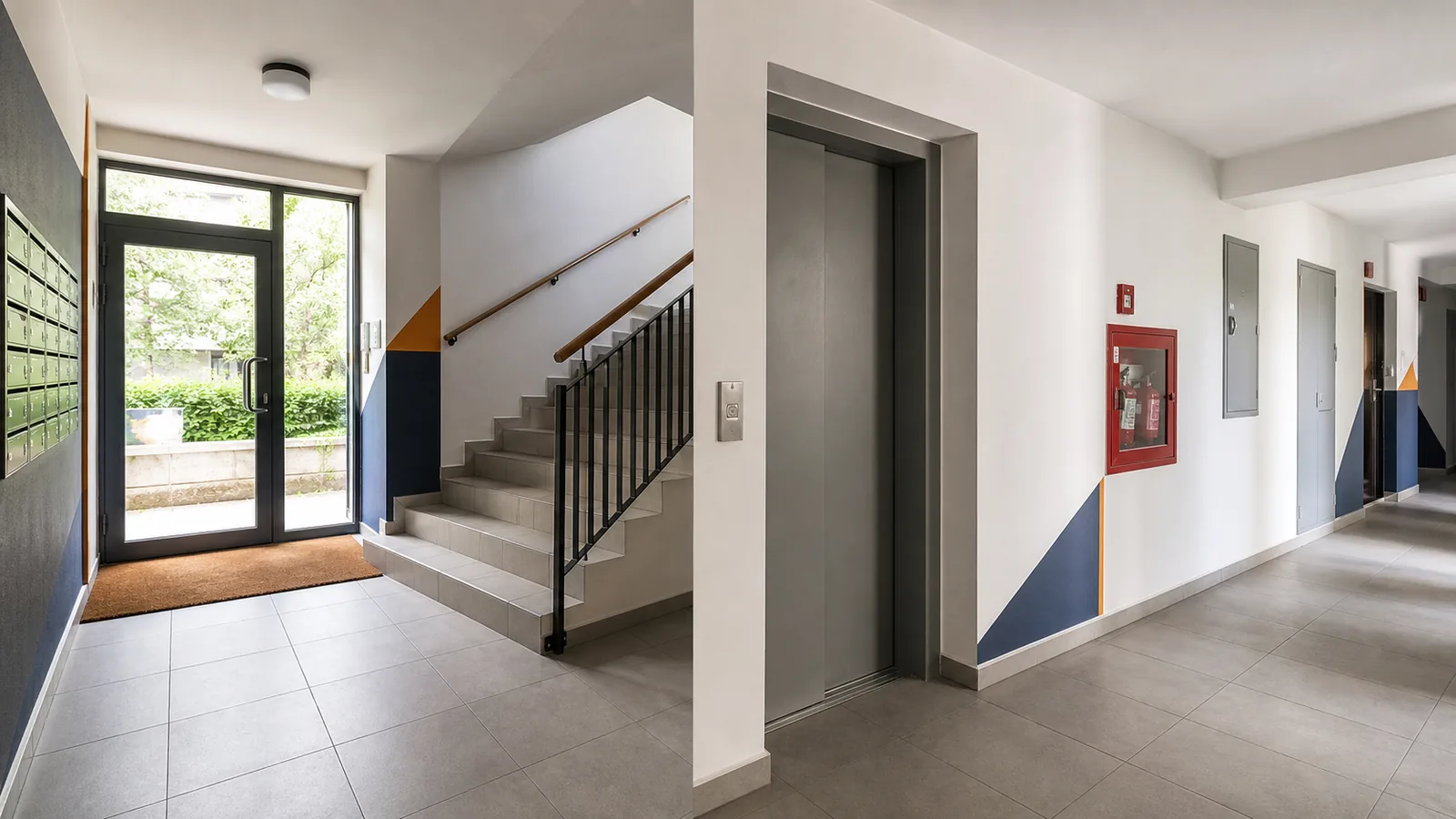
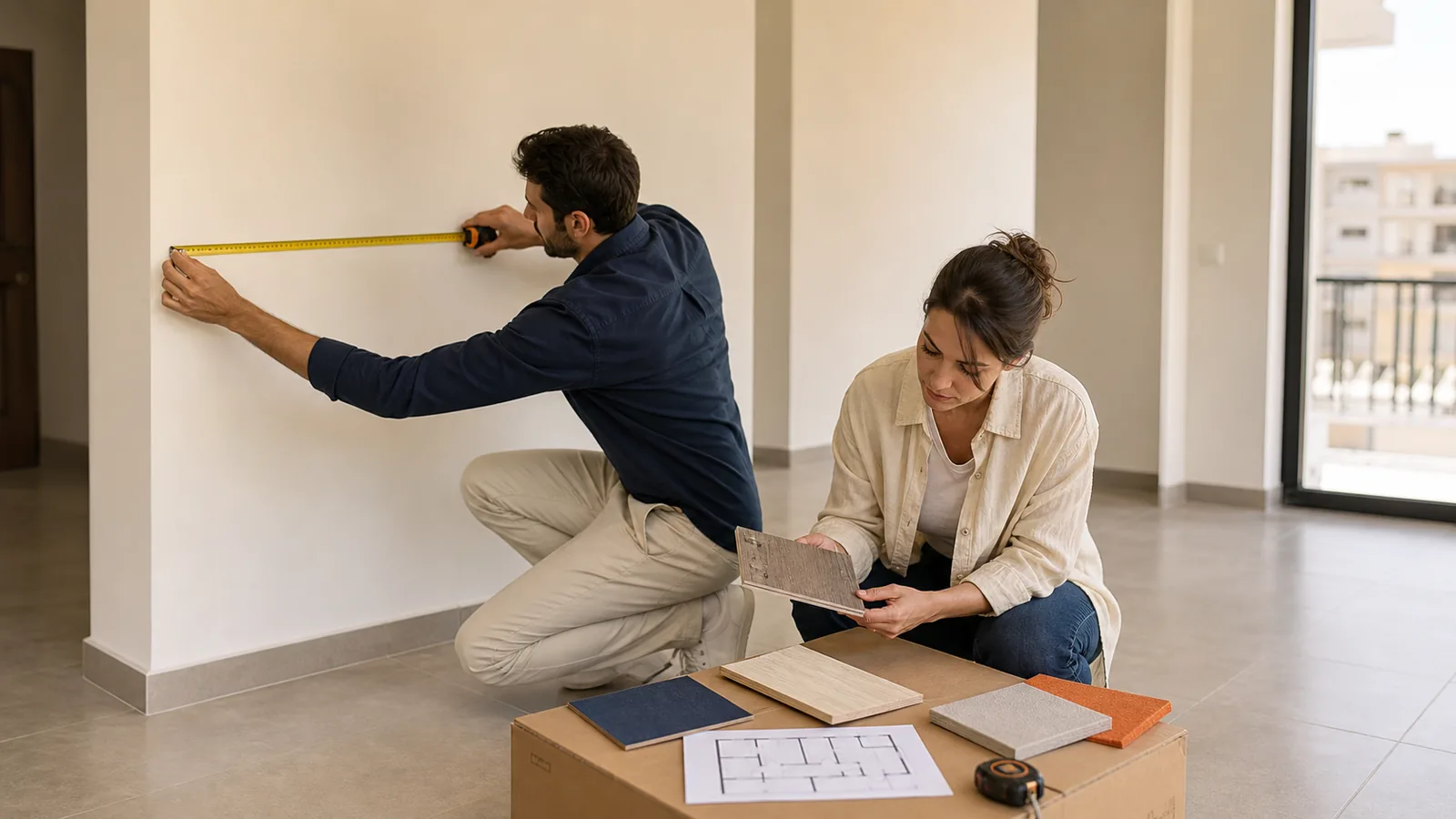
Do not rely only on the floor plan. Measure door openings, lifts, stair turns and final room dimensions. Confirm where sockets, plumbing points and air-conditioning connections sit. Large furniture may fit the room but fail to pass through the building.
For off-plan homes, base early estimates on the contract specification and wait for final measurements before ordering fitted items.
Assess furnished property item by item
“Furnished” describes inclusion, not condition or suitability. Create an inventory during the viewing and mark each item as keep, service, replace or remove. Test major appliances where possible and record model information. Agree in writing which items remain at completion so there is no uncertainty at handover.
Prioritise coastal durability
Sun, dust, humidity and salt exposure affect materials differently. Outdoor fabrics, balcony furniture, metal fixtures and air-conditioning equipment should suit their location. Easy-to-clean surfaces and replaceable components can be more valuable than delicate finishes, particularly for a holiday or rental home.
Include ongoing setup
Ask about internet availability, utility payment processes, building access, maintenance contacts and waste arrangements. In managed communities, confirm procedures for contractors and furniture deliveries. If the property will be empty for periods, plan regular checks, ventilation and cleaning.
Compare total ready-to-use cost
Add the purchase price, immediate works, furnishing estimate, applicable transaction costs and a contingency. A lower-priced empty apartment may become more expensive than a well-maintained furnished alternative. Conversely, starting empty allows the buyer to control quality and layout.
Use ranges rather than one exact early number. Firm quotations should follow final measurements and a clear scope. Harmony Properties can help document what is included in the sale, arrange access for measurements and connect the handover sequence with the practical work needed before you receive the keys.
Continue Your Research
Compare the current properties for sale, review the available Red Sea projects, or explore the Hurghada area guides.
This article provides general property guidance and is not a substitute for independent legal, financial or tax advice about your circumstances.