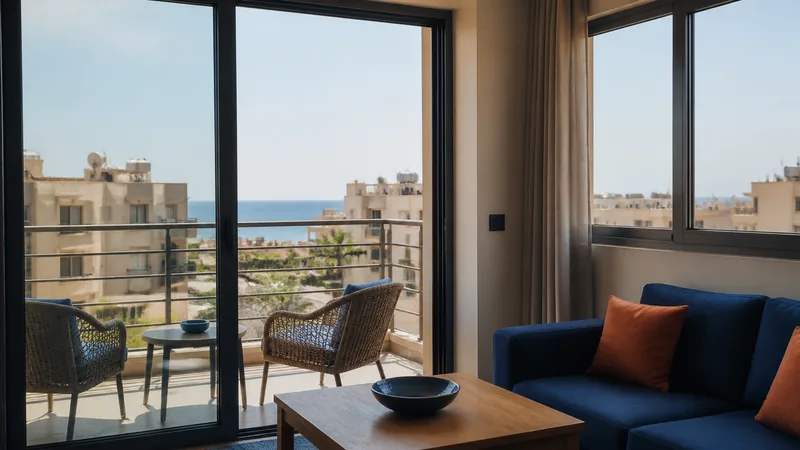
“Sea view” is one of the most powerful phrases in Red Sea property marketing—and one of the least precise. It may describe a wide, uninterrupted outlook, a side view from the balcony, a distant blue line or a glimpse available only from one position.
A buyer should not reject descriptive language, but should translate it into observable facts.
Define the view in practical terms
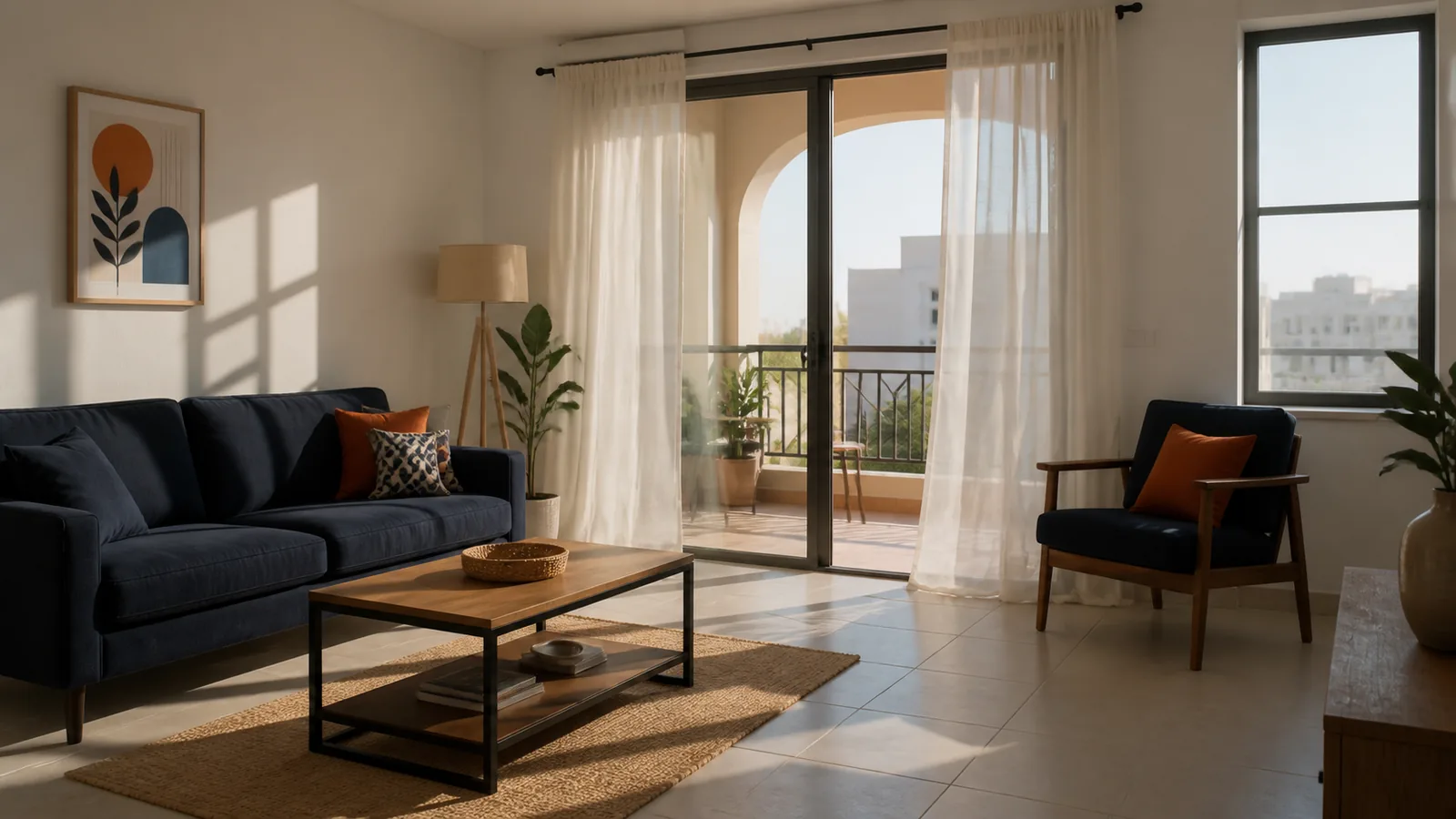
Ask where the sea is visible from: the living room, bedroom, balcony, terrace or roof. Then ask whether it is visible while seated or only when standing near a window. A direct view faces the water; a side or partial view may require looking across neighbouring buildings. A distant view may still be attractive if it remains open and bright.
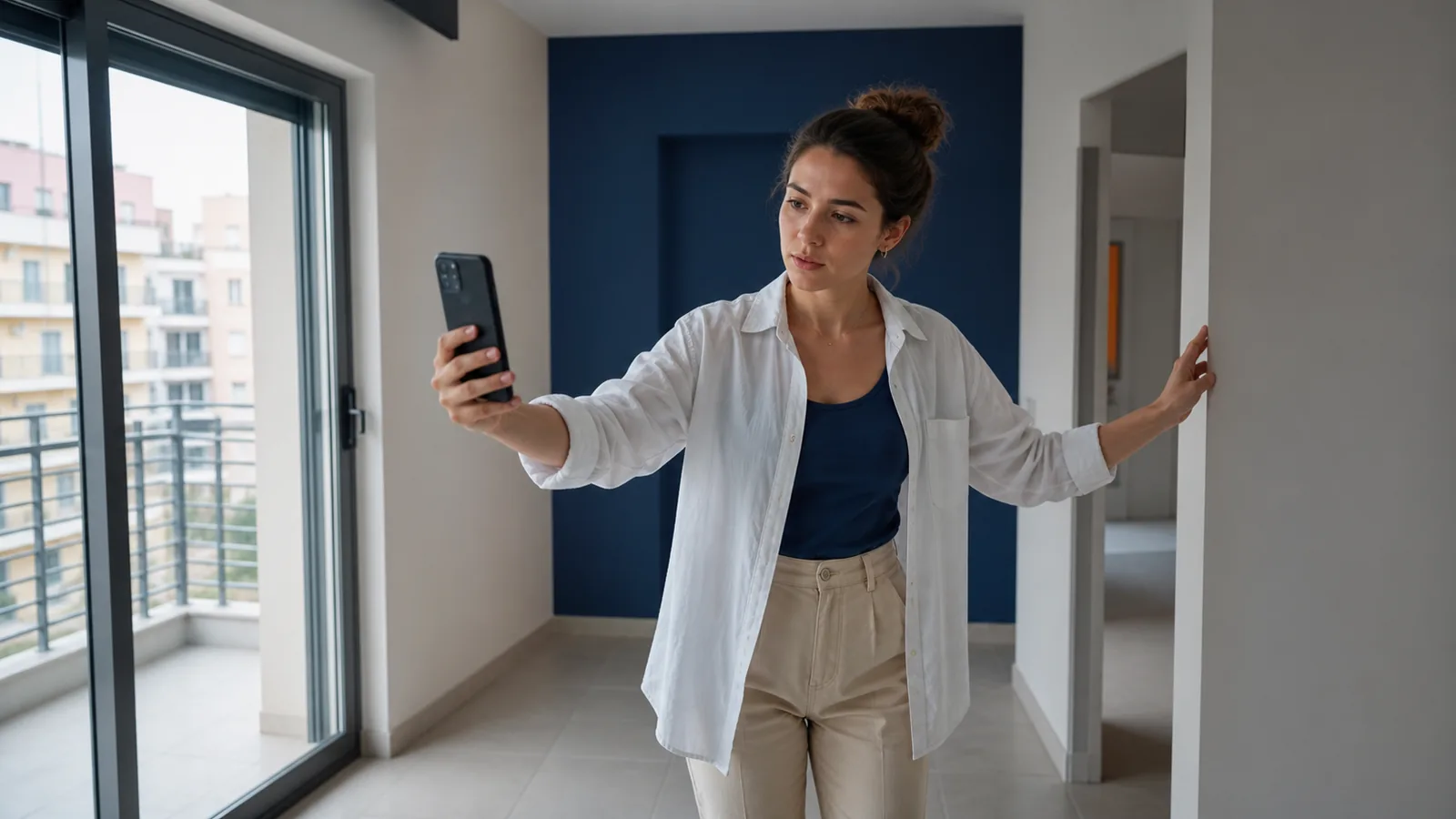
Photographs should be taken at normal eye level without excessive zoom. Wide-angle lenses can exaggerate both room size and the apparent width of a view. A live video is useful because it shows the relationship between the room, opening and outlook.
Look down and sideways
The horizon is only one part of the experience. Ask to see the immediate foreground: rooftops, roads, service areas, vacant plots, hotel operations or pools. A beautiful sea line can sit above an active road or unfinished site. Neither is automatically unacceptable, but the full context should be visible before you compare prices.
Consider height and access
Upper floors often gain a broader view and may receive more wind. They can also depend more heavily on a reliable lift and roof maintenance. Lower floors may provide easier access, gardens or stronger connection to a pool while having less privacy. The best choice depends on use, mobility and the building.
Investigate whether the view may change
Open land, low buildings and early project phases create uncertainty. Ask who controls the land in front, what is already approved and what the project master plan shows. A current open view is not the same as a legally protected view. Treat verbal assurances carefully and request written confirmation where a view materially affects the decision.
Within a development, a future phase, landscaping or facility may change the outlook. The exact unit plan and current construction status matter more than a generic project render.
Connect the view to orientation and comfort
Sea-facing glass may bring strong light, heat or wind depending on direction and shading. Test balcony doors, external shutters and railings. In coastal settings, salt exposure can affect metalwork and equipment, so ongoing cleaning and maintenance are part of the ownership picture.
Compare the premium rationally
Create two values: the value of the home without the view and the additional value you personally place on the outlook. Compare similar units on different floors or orientations if possible. A slightly less dramatic view with a better layout, quieter position or larger terrace may provide more everyday enjoyment.
Document what you are buying
Keep dated photographs and the exact unit reference with your viewing notes. Ensure the written description and contract identify the correct unit. The legal review should focus on the property and rights being transferred, while view quality remains an observable feature rather than an assumed guarantee.
Harmony Properties aims to describe views plainly and show them without hiding the surrounding context. If the view is central to your decision, we will help arrange a live review at a useful time of day and compare the exact position with alternatives.
Additional points to consider
A sea view can add genuine enjoyment, but the best sea-view home also works in heat, wind, privacy, access and maintenance. Evaluate the full property rather than the first photograph from the balcony.
Understand the view
Check the view from normal sitting and standing positions, not only from one corner. Ask whether nearby empty plots or permitted construction could change it.
Check orientation and exposure
Sun and wind affect comfort, air-conditioning and balcony use. Open windows and doors, observe shade and ask how the property performs through different seasons.
- Direct, side or distant sea view
- Floor and privacy
- Morning or afternoon sun
- Wind exposure
- Route and rights to access the sea
- Salt-related exterior maintenance
Inspect the building envelope
Coastal exposure makes window seals, balcony drainage, metalwork, façade maintenance and air-conditioning condition important. Shared maintenance can protect the value of an otherwise excellent view.
Price the whole experience
Compare size, building quality, access and running cost with the view premium. The strongest choice is the home you would still value on an ordinary day.
Define the view you are buying
A direct sea view from the main living space is different from a side view visible only from a balcony. Visit or request video at seated and standing height, and check the outlook from the rooms you will use most. Ask what can be built on nearby land and whether the current view depends on an unfinished plot.
Orientation affects sunlight, wind and heat as well as scenery. An open seafront position can also expose windows and metalwork to salt, increasing maintenance.
Balance premium with practical quality
A sea view can support personal enjoyment and market appeal, but it should not compensate for poor access, weak documents or an impractical layout. Compare the price premium with the size, condition and services of alternatives.
Inspect balcony drainage, window seals, external finishes and air-conditioning equipment. Regular cleaning and maintenance are especially important close to the water.
Define the view before paying for it
Stand at normal eye level in the living area, bedroom and usable part of the balcony. Record what is visible today and what sits between the property and the water. Check orientation, glare, wind, privacy and any neighbouring land where future building could affect the outlook.
Ask whether the description is contractual or simply marketing language. A partial, side or distant view may still be enjoyable, but it should be priced and understood honestly. Compare the home’s layout and daily comfort without the view as well; the outlook should strengthen a good property, not excuse a weak one.
A sea view is most valuable when the property behind it is comfortable, accessible and well maintained.
Continue Your Research
Compare the current properties for sale, review the available Red Sea projects, or explore the Hurghada area guides.
This article provides general property guidance and is not a substitute for independent legal, financial or tax advice about your circumstances.