The home you enjoy during a winter visit should also be understood as a summer home—even if you do not expect to use it every month. Hurghada's hot, dry climate does not make every day or every apartment feel the same. Sun exposure, wind, shade, building design and your own routine influence comfort. A sheltered balcony can feel different from an exposed terrace a short distance away. This guide is not a weather forecast or a promise about seasonal occupancy. It is a way to ask better questions when a single viewing cannot show you a whole year.
Summer: follow the shade through the apartment
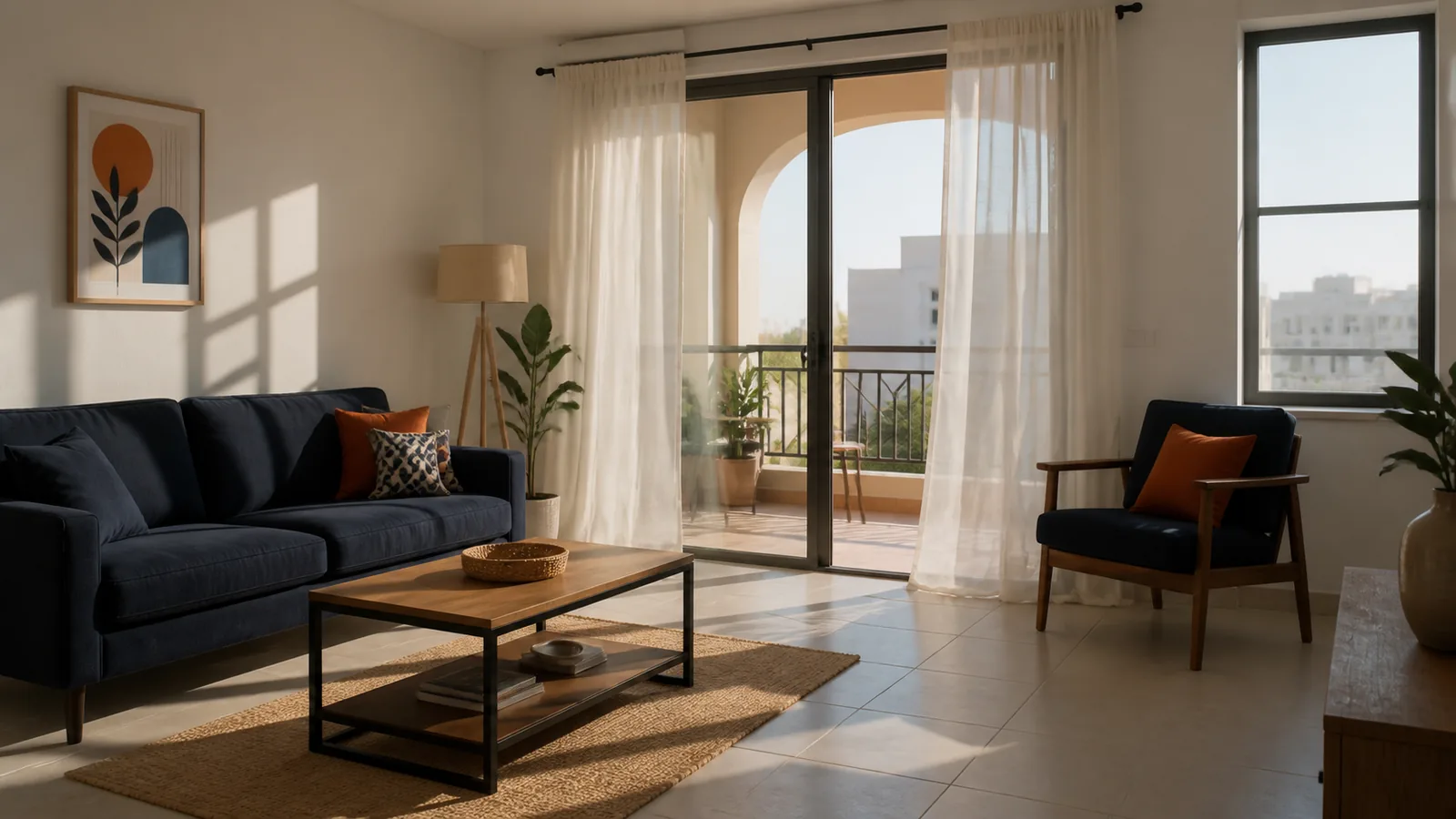
On a viewing, establish which rooms and outdoor areas receive direct sun and at what time. Do not infer this from the compass direction alone: neighbouring buildings, overhangs, glazing and the depth of a balcony all change the result. If possible, revisit when the room is likely to be most exposed, and compare it with the time you expect to use it. A bright breakfast spot may be less comfortable as an afternoon workspace.
Ask a competent technician about the condition, sizing and servicing of cooling equipment. Check filters, drainage and accessibility for maintenance without attempting technical work yourself. Request actual utility records where available, but note the occupancy and settings behind them. A bill from an occasionally occupied home is not a forecast for two people working indoors all day. Include shading and practical furniture placement in the assessment, not just the number of air-conditioning units.
Winter: assess evenings and sheltered outdoor space
A sunny daytime viewing can conceal how you will use the home after sunset. Ask how the rooms feel in the evening, inspect window and door seals and assess draughts without assuming every coastal address has the same exposure. Outdoor comfort depends on shelter as well as temperature. Sit where the dining table or balcony chairs would be and notice the wind rather than judging from the view alone.
If a pool is important to your winter routine, confirm whether it is heated, during which periods and on whose decision. Do not assume a photograph of swimming guests proves year-round comfort or access. Ask separately about beach facilities and hotel amenities. An owner, tenant and hotel guest may have different arrangements. Check the current forecast for a visit, but use repeated observations and property-specific evidence for the longer-term decision.
Your daily timetable may matter more than a seasonal label
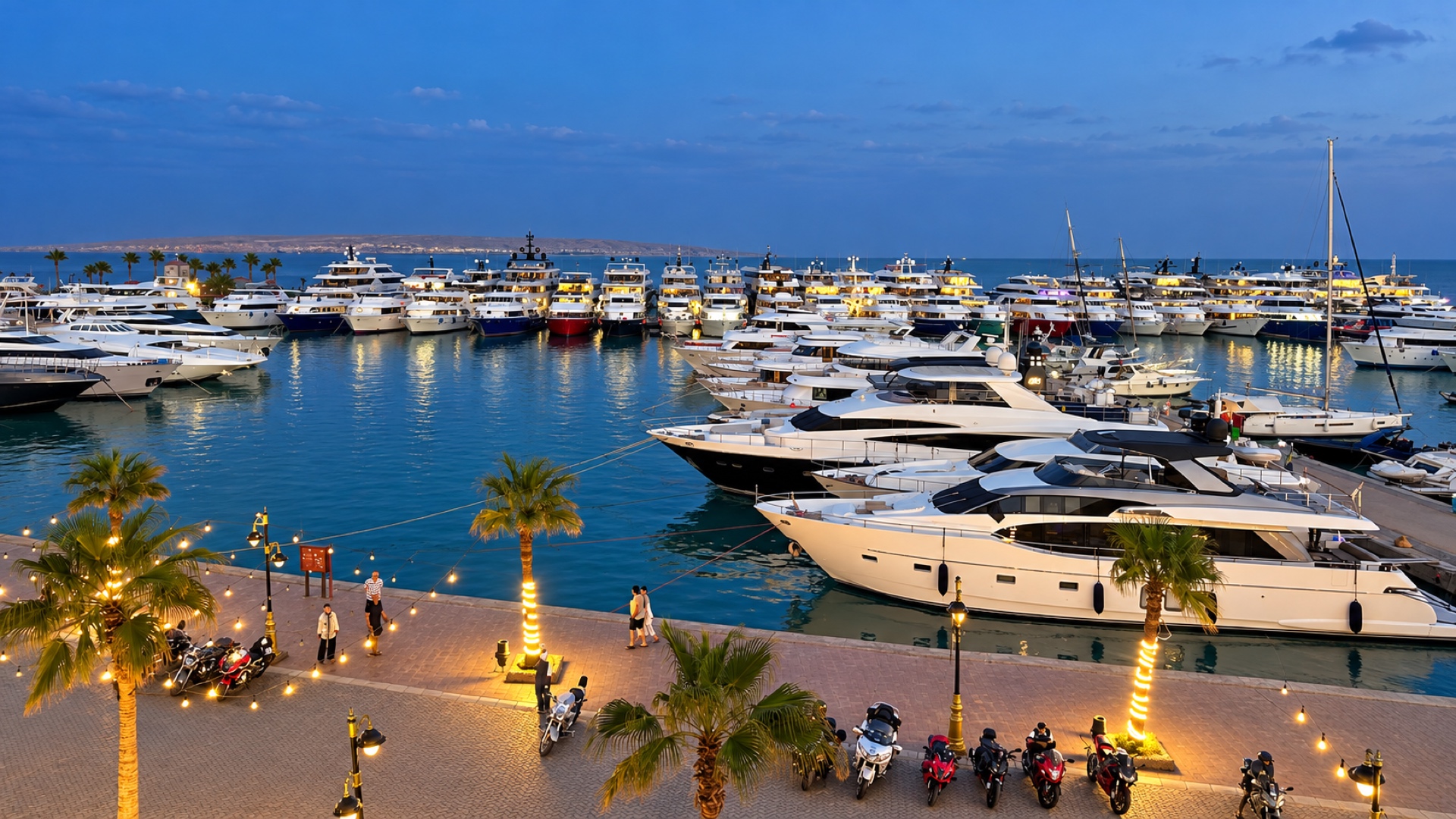
Think about the parts of life that happen outdoors: shopping, school pickup, walking to dinner, exercise and waiting for transport. Test whether your route offers a practical alternative when you do not want to walk. In Hurghada Marina or Arabia, for example, waterfront activity and the journey to ordinary services deserve separate attention. In El Helal or Magawish, the exact street and home position still matter more than a broad neighbourhood description.
Consider who uses the home and at what hours. A late worker, an early riser and a family with school-age children can experience the same street differently. Visit when your own routine overlaps with local activity. If you only see the home on an organised daytime tour, ask for evening evidence and a continuous video of the approach. Do not confuse a quiet moment with a permanently quiet location.
Check what actually operates during your stay
Make a short list of services and facilities you are counting on, then ask about the period when you will use them. A restaurant, shuttle, pool service or activity can have its own operating pattern; there is no reliable rule that every resort is busy in one season and quiet in another. Current conditions, events, maintenance and management decisions can all affect the experience.
This matters in destination settings such as Makadi Bay and along the southern hotel coast, and it matters even more when comparing a Hurghada routine with El Quseir or Marsa Alam and Port Ghalib farther south. Treat these as different destinations rather than assuming that the same supplier network or transport choice serves them all. Ask what is available near the exact address, not merely somewhere in the wider region.
Treat maintenance as part of seasonal comfort
Sun, coastal exposure, dust and ordinary wear make condition and maintenance relevant even when a home is not occupied. Ask how external equipment, seals, drainage, balconies and shared areas are inspected. Have any signs of corrosion, leakage or damaged finishes assessed by a suitable professional. Do not accept repeated repainting as an explanation of the underlying cause.
For a part-time home, establish who notices a problem while you are away and how it is reported. Ask your insurer and building manager about requirements, and agree equipment settings with the relevant technician. The right plan depends on the home; a blanket instruction to turn everything off or leave everything running is not appropriate. Our absence checklist helps structure the conversation without pretending that every apartment has the same systems.
Ask for evidence from the season you cannot visit
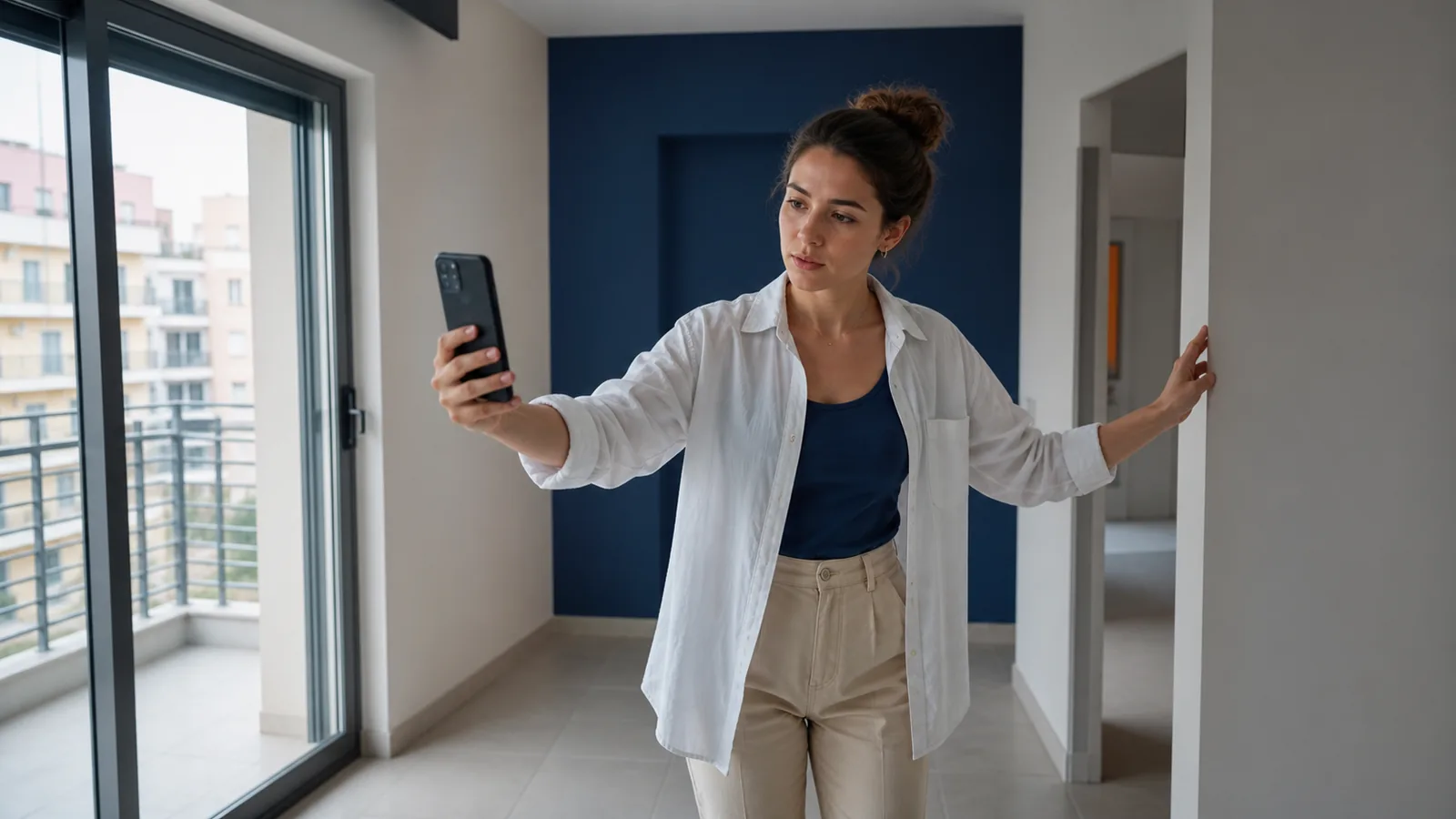
If you cannot view in both summer and winter, identify the questions most likely to change your decision. Request dated photographs, a live video at a relevant time, service records and recent bills with enough context to interpret them. Ask residents or management about specific issues, then separate their experience from facts you can confirm. A neighbour's preference for sun is not the same as your own comfort requirement.
Use a simple record for each property: what you observed, what was reported and what remains unknown. Compare the likely effect on your daily life rather than awarding a generic seasonal score. The strongest choice is a home whose limitations you understand and can manage—not one sold as perfect in every month. Where the unresolved issue is essential, arrange further checks before paying a reservation deposit.
- Sun and shade checked at relevant times.
- Cooling, seals and maintenance assessed appropriately.
- Pool, beach and transport arrangements confirmed for the intended stay.
- Unvisited-season assumptions recorded as unknowns, not promises.
Continue Your Research
Compare the current properties for sale, review the available Red Sea projects, or explore the Hurghada area guides.
This article provides general property guidance and is not a substitute for independent legal, financial or tax advice about your circumstances.