
Living without your own car is not the same as never using a vehicle. You may be happy to walk for coffee and groceries, arrange a ride for a weekly shop and book an airport transfer when needed. The right question is whether that combination feels easy from the exact home you are considering. A property advertised as central or minutes from the beach can still involve a difficult road crossing, an inconvenient gate or a longer return route. Start with the journeys you repeat, then assess the neighbourhood. This guide offers a viewing method rather than a promise that any entire district is walkable or accessible.
Draw your everyday route map first
Make a short list of destinations: a grocery shop you would actually use, a pharmacy, a place to eat, your work or study location and a leisure stop. Add any regular appointment or school journey. Mark which trips are daily, weekly or occasional. A home that makes the daily journeys easy can be more convenient than one with a shorter airport journey but no suitable nearby shop.
Now separate distance from effort. A route may be short yet exposed to sun, uneven underfoot or awkward when carrying shopping. Consider luggage, a pushchair or your own mobility needs. Do not use an agent's estimated walking time as a substitute for testing the route. Record the starting point as the building entrance, not the edge of the development on a map, and include time spent reaching a permitted exit.
Where to begin your neighbourhood shortlist
El Kawthar is worth examining for a service-led routine, while Sakkala and Sheraton Road offer a more active central setting. El Dahar may suit someone who wants to investigate the older commercial centre and everyday shopping. These are starting points, not endorsements of every building. Noise, pavements, access and the quality of the immediate street need their own review.
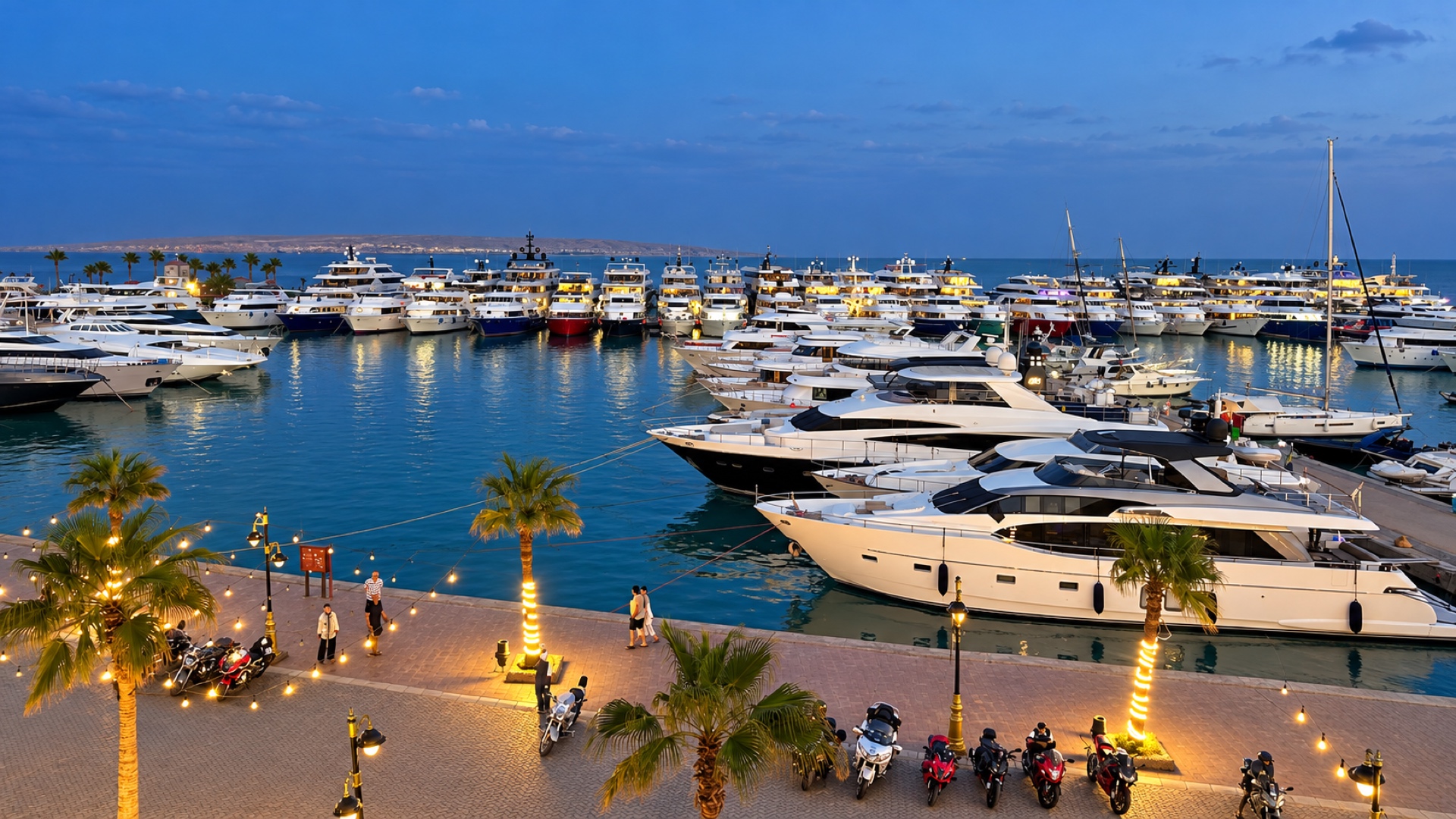
El Mamsha offers a promenade-focused setting, but check the route behind the promenade as well as along it. In El Hadaba, pay particular attention to changes in level and the return journey. Arabia and Al Ahyaa contain different pockets of development, so a district label alone tells you little about the nearest useful shop or crossing. Compare actual addresses rather than choosing from a list of supposedly car-free areas.
Do the shopping-bag test
Walk from the building to a shop, buy something small and return by the route you would normally use. Notice kerbs, lighting, parked vehicles, stairs and whether you have to enter a traffic lane. Repeat the useful part of the walk at a time that reflects your routine. Conditions that feel acceptable on a relaxed evening may not suit a midday errand or a child travelling with you.
Check the last part of the journey too. A convenient street does not solve a difficult building entrance or a lift that cannot be relied on. If accessibility matters, assess the whole route with the person who will use it or an appropriate specialist. Do not treat a ramp photograph or the words ground floor as proof of step-free access. It is the uninterrupted journey from home to destination that matters.
Build a transport backup before you need it
For journeys you will not walk, establish how you will arrange transport and where pickup is permitted. Check whether drivers can reach the building or must wait at a main gate. Test a real pickup and return at a representative time; app availability, waiting times and prices can change. Agree a fare or understand the displayed charge before travelling, and keep a backup arrangement for a late arrival.
If a residence advertises a shuttle, request its current route, booking method, operating days and guest eligibility. Ask what happens when it is unavailable. Do not build your lifestyle around a future shuttle or an informal promise from someone who does not operate it. The same applies to delivery: establish whether groceries come to your door, a reception desk or a gate. Small details become significant when they repeat several times each week.
Do not confuse promenade access with beach access
A pleasant public-facing waterfront and a usable swimming beach are different destinations. The property may be close to the sea while the entrance to your chosen beach is elsewhere or subject to separate terms. Ask which beach you would actually use, how you reach it, whether owners and guests are treated differently and whether access is included in writing.
Include the journey home with towels, bags or tired children. If you need a ride each time, that does not automatically rule out the property; it simply belongs in your routine and budget. Our coastal-property guide explains the distinction between a view, proximity and documented access. This is especially important when an advertisement uses a broad neighbourhood name or an attractive waterfront image that is not taken from the unit.
Put a normal week into the budget
Count the trips you expect to pay for in a normal week, then use current quotes to build a transport allowance. Add occasional airport journeys separately. A lower property price can be offset by a routine you find expensive or tiring, but do not assume a central address always saves money either: compare the actual alternatives.
Before buying, spend time in the chosen neighbourhood without relying on the viewing car. Arrange a morning errand, an evening meal and a return after dark. If you are buying remotely, ask for a continuous route video and written answers to the points below. A good no-car brief describes independence in practical terms: which tasks you can complete comfortably yourself, and which services you are knowingly choosing to depend on.
- Walk the real route from the building entrance.
- Check crossings, lighting, steps and shade.
- Test pickup, deliveries and a backup transport option.
- Confirm the beach entrance and access terms.
- Compare a week's routine, not one sightseeing walk.
Continue Your Research
Compare the current properties for sale, review the available Red Sea projects, or explore the Hurghada area guides.
This article provides general property guidance and is not a substitute for independent legal, financial or tax advice about your circumstances.