
The lowest asking price is easy to compare. Value is more demanding because it includes what must be spent, managed and accepted after the purchase. A cheaper property can be an excellent decision when its compromises match the buyer’s priorities. It can also become more expensive than a stronger alternative once repairs, furnishing, management and lost usability are included.
Calculate the ready-to-use cost
Add the purchase price, immediate repairs, furnishing, equipment, applicable transaction costs and a reasonable contingency. For off-plan homes, include compulsory maintenance or handover amounts and the cost of completing anything excluded from the specification.
Price the compromise
Ask why the property is cheaper. It may be smaller, lower, farther from facilities, less private, in an unfinished building or simply offered by a motivated seller. Not every difference is a defect. The buyer needs to decide whether the saving fairly compensates for that specific compromise.
Compare usable space
Headline area can hide inefficient corridors, awkward furniture walls or shallow terraces. A smaller home with a strong plan may feel more useful. Compare storage, circulation, room proportions and the spaces that support the intended routine.
Inspect the building and management
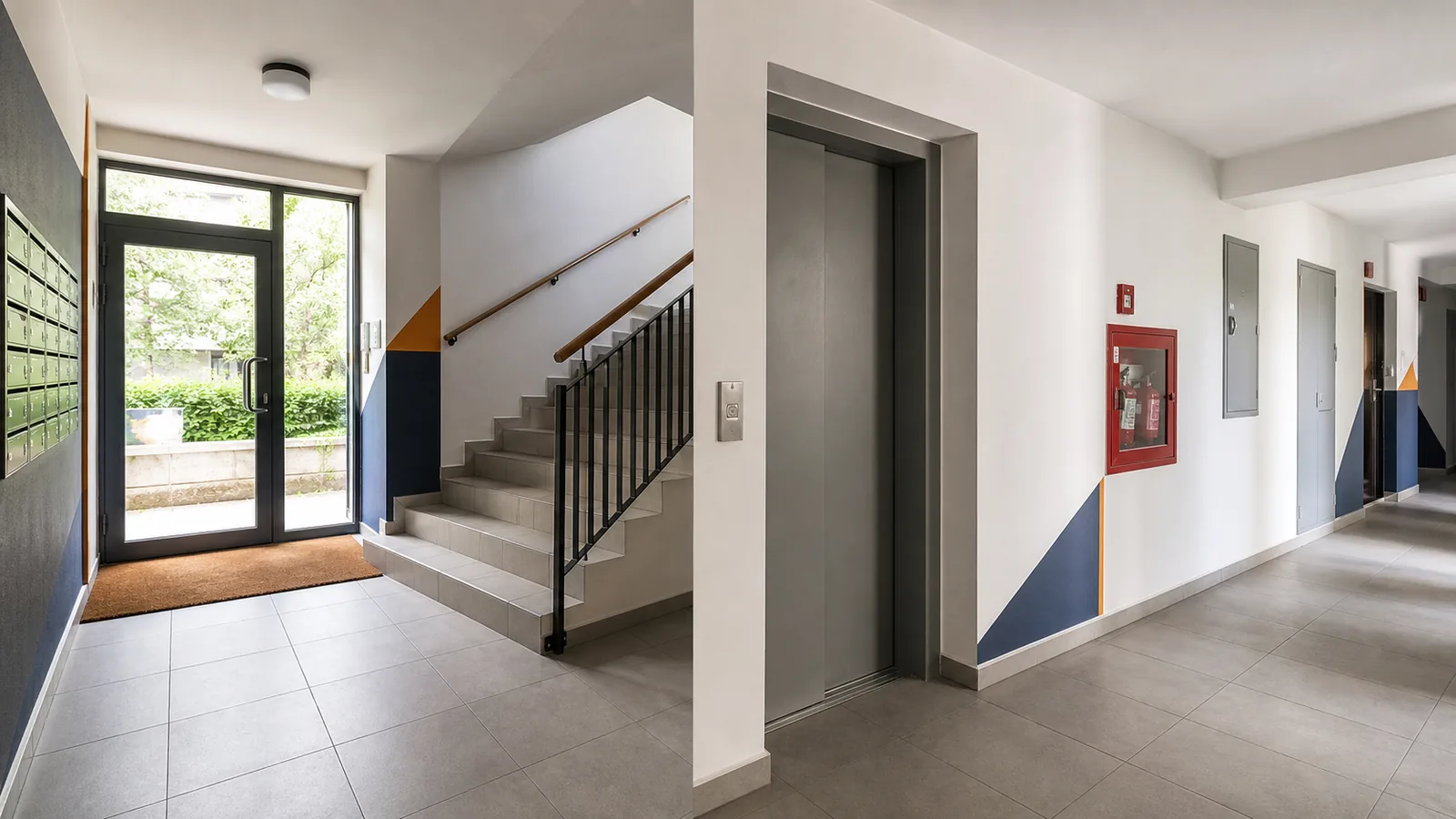
A renovated interior cannot compensate for unreliable water, neglected common areas or unclear maintenance. Review the entrance, lift, roof, shared systems, security and management responsibilities. Ask about current fees and known work.
Consider time and uncertainty
A home requiring renovation may provide creative control but needs contractors, supervision and time. A lower off-plan price may involve a longer wait and project-related uncertainty. Put a value on simplicity if you live abroad or need the property by a specific date.
Use a total-value scorecard
- ready-to-use cost;
- layout and usable area;
- location and everyday services;
- building condition and management;
- future maintenance;
- view, privacy and light;
- timing and uncertainty;
- fit with the buyer’s actual purpose.
The best-value choice is the one whose total cost and compromises make sense for the intended use. Harmony Properties can help compare options on one basis and explain what should be verified before a lower price becomes the reason to proceed.
Compare the total ownership position
The lowest advertised price is only one part of value. Put each serious option on the same comparison sheet: usable size, condition, included furniture, maintenance, document position, building management, distance from the services you will actually use and the cost required before the home is comfortable.
A practical value check
- Confirm what is included in the written price.
- Estimate immediate repairs, furniture and air-conditioning work.
- Ask how shared areas and services are managed.
- Compare the exact street or resort position—not only the district name.
- Keep a reserve for costs that remain unconfirmed.
A more expensive home can be better value when it removes major setup work, has clearer documents or fits the buyer’s routine more closely. The conclusion should come from the full comparison, not the headline figure.
Continue Your Research
Compare the current properties for sale, review the available Red Sea projects, or explore the Hurghada area guides.
This article provides general property guidance and is not a substitute for independent legal, financial or tax advice about your circumstances.