Orientation is not a technical detail reserved for architects. In Hurghada, it can influence how bright a home feels, how often you use the balcony, the load placed on air conditioning and whether rooms remain comfortable at different times of day.
There is no single “best” direction for every buyer. The right choice depends on when you use the property, the immediate surroundings, window size, shading and the exact view.
Understand the difference between light and direct sun
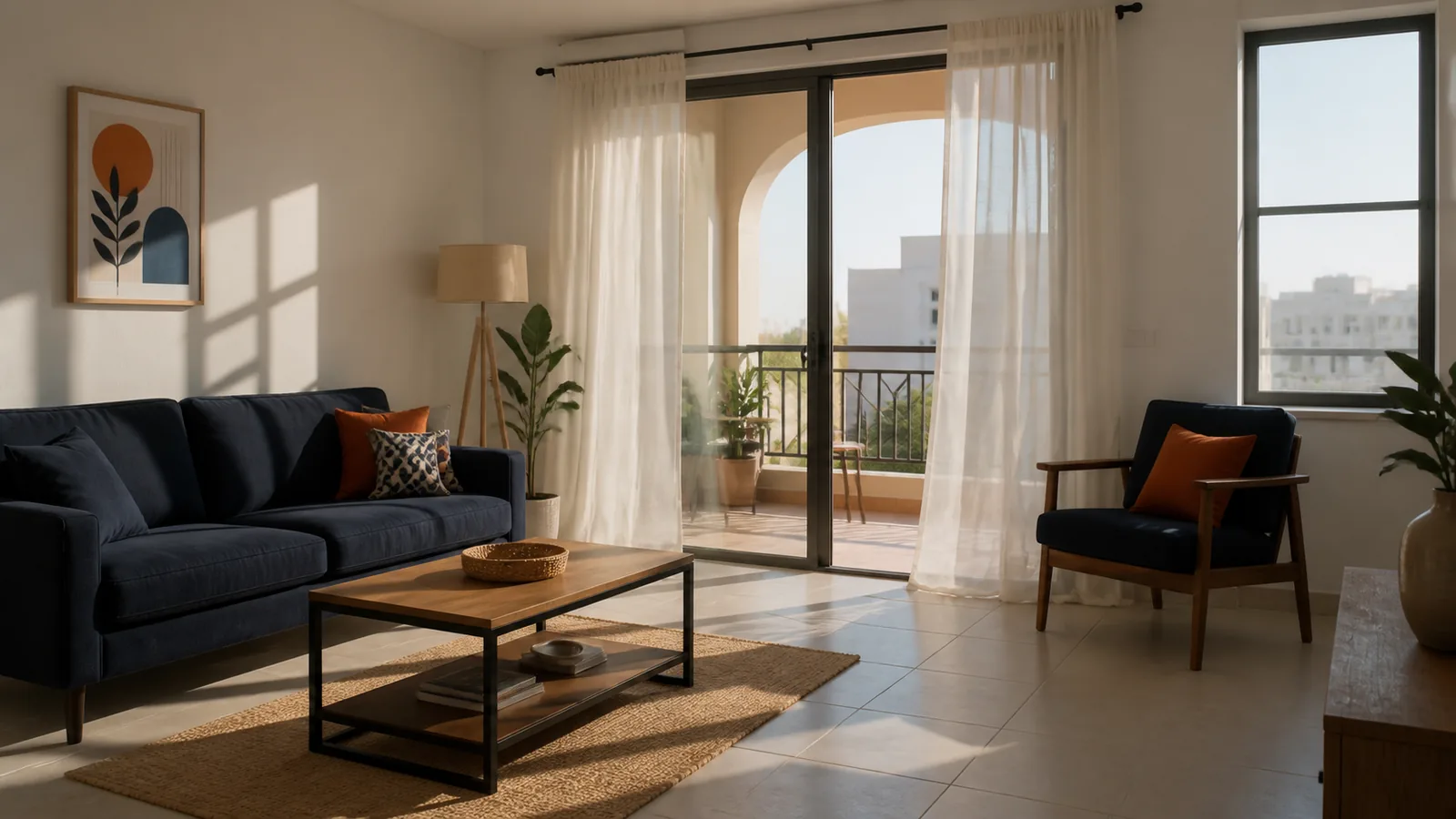
A bright apartment does not always receive strong direct sunlight. Reflected light from open surroundings, pale buildings, water and wide streets can make a home feel airy. Direct sun creates warmth and changing shadows, but it may also increase heat gain.
Morning sun is often appreciated in bedrooms, breakfast areas and balconies used early in the day. Afternoon sun can provide warmer light and sunsets, yet it can be more demanding during hot periods when large windows are unshaded. North-facing rooms may receive softer, more consistent light, while south-facing exposure changes with the season and the amount of external shading.
Judge the exact building context
Compass direction alone is not enough. A west-facing apartment protected by a deep balcony may be more comfortable than an east-facing apartment with unshaded glass. A lower-floor home may be shaded by another building, while an upper-floor unit in the same line receives much more sun and wind.
Review:
- distance to the facing building;
- balcony depth and overhead shade;
- external shutters, pergolas or sun screens;
- window size and glazing condition;
- landscaping that may change as it grows;
- whether a currently open plot could be developed later.
Visit or view at a useful time
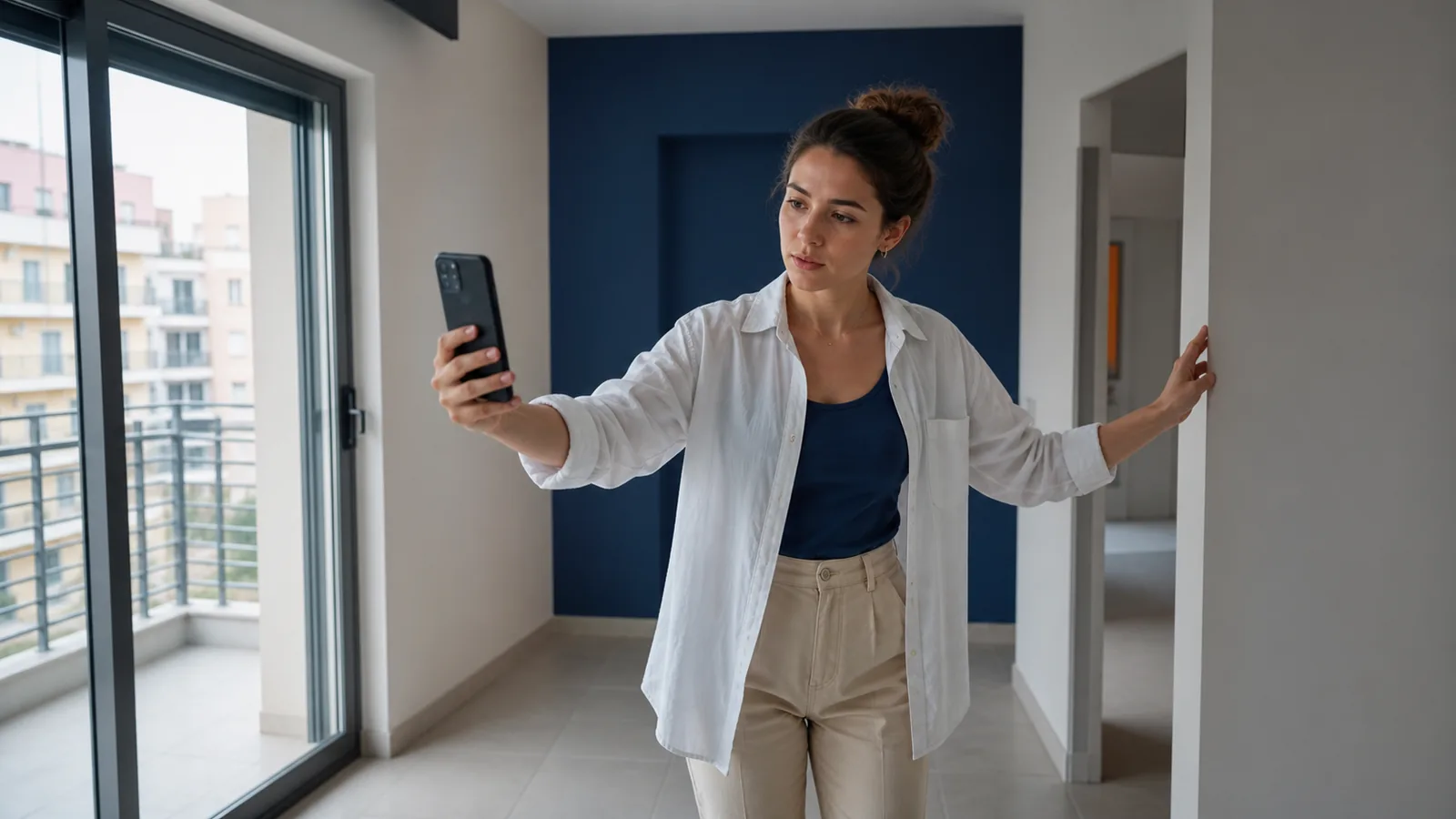
A property viewed only at midday may not reveal strong late-afternoon sun. If orientation is important, ask for a second visit or a live video at a different time. During a remote viewing, request a continuous walk from the entrance to each window and balcony. Ask the person filming to show the direction of the sun, the shadow line and the neighbouring buildings.
Do not rely on a camera’s automatic brightness. Phones can make a dark room appear evenly lit. Ask for lights to be switched off briefly so you can understand the natural daylight.
Consider ventilation as well as temperature
Cross-ventilation requires openings on more than one side or a layout that allows air to move through the home. Corner apartments can benefit, but the position of doors and internal walls still matters. In coastal areas, wind exposure can be pleasant and can also carry salt and dust. Window hardware, balcony doors and external metalwork deserve inspection.
Bathrooms and kitchens need particular attention. Confirm whether they have windows, mechanical extraction or both. Ask how humidity is managed when the home is closed for long periods.
Match orientation to your routine
A holiday owner who spends mornings outside may prefer a shaded balcony later in the day. A full-time resident working from home may prioritise stable daylight without glare. A rental investor should consider broad comfort rather than a personal preference alone. Families may value cooler bedrooms, while winter visitors may welcome more sun.
Make orientation one part of a balanced comparison alongside view protection, privacy, layout, building management and running costs. Harmony Properties can help you identify the direction of the exact unit and verify how it feels during a viewing rather than treating orientation as a label on a brochure.
Continue Your Research
Compare the current properties for sale, review the available Red Sea projects, or explore the Hurghada area guides.
This article provides general property guidance and is not a substitute for independent legal, financial or tax advice about your circumstances.