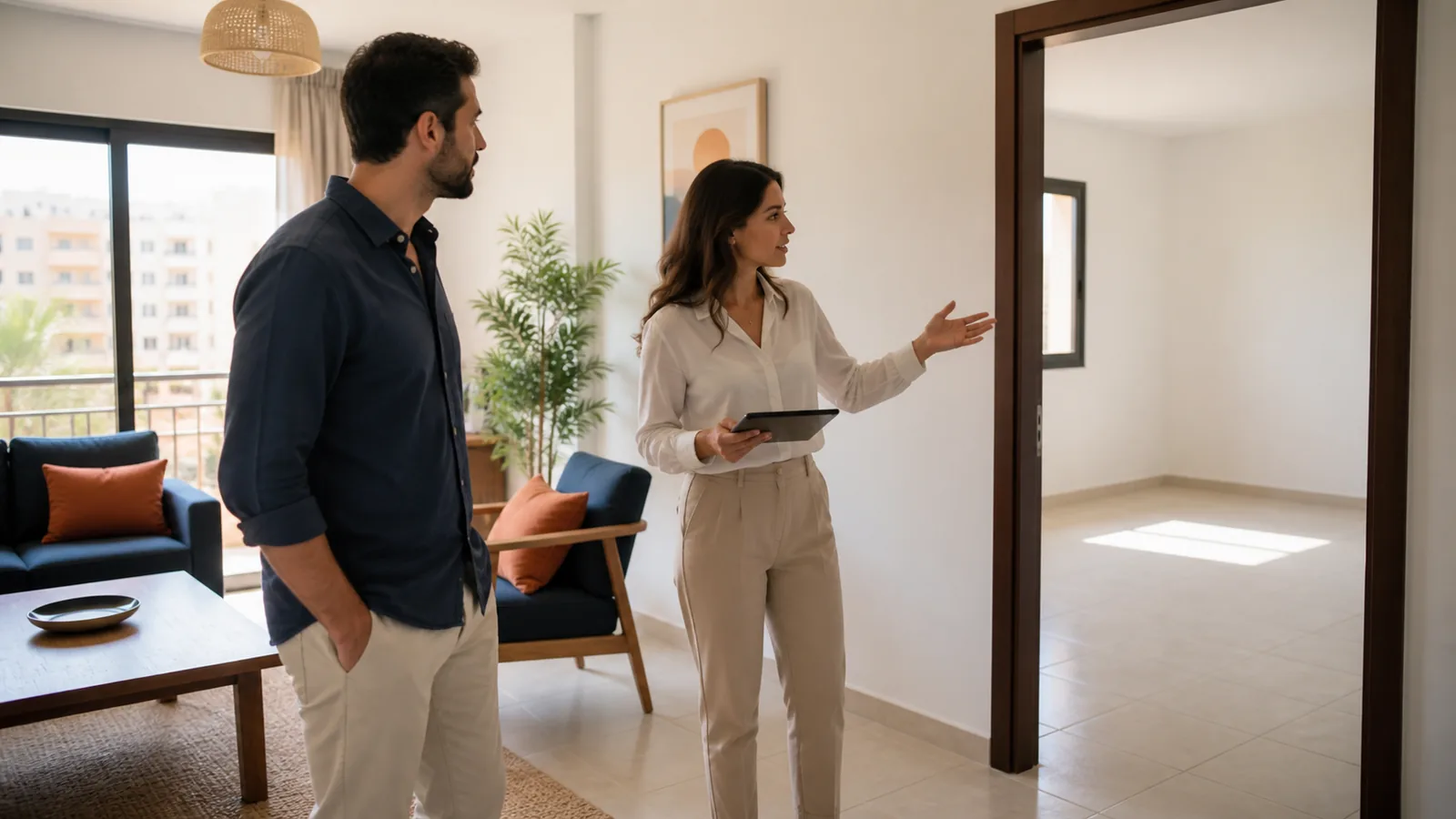

The right property type is the one that supports how you will actually use it. Space matters, but so do privacy, maintenance, furnishing, running costs and the people who will stay there.
When a studio makes sense
A studio can suit one person, a couple, short stays or a carefully located rental. The layout, storage and separation of sleeping and living areas matter more than the size alone.
Why an apartment is flexible
A one- or two-bedroom apartment gives guests and households more privacy while remaining simpler to maintain than a villa. Building services and common facilities can be useful for owners who are away for part of the year.
What a villa adds
A villa or townhouse can provide outdoor space, privacy and room for longer family stays. It also brings more surfaces, systems and landscaping to manage. Confirm community rules, service costs and the responsibility for private features such as a pool.
- Number and age of regular occupants
- Length and frequency of stays
- Outdoor-space priority
- Maintenance tolerance
- Rental audience, if relevant
- Total setup and running budget
Test the layout, not the label
Two homes with the same bedroom count can feel very different. Review circulation, storage, natural light, balcony depth and usable furniture space before deciding.
Choose for real occupancy, not maximum capacity
A studio can technically sleep several people, but repeated use by a couple, family or guests may require privacy and storage that the layout cannot provide. An apartment with a separate bedroom often offers a more comfortable balance without the higher maintenance of a villa.
Villas provide privacy, outdoor space and room for longer stays, but they also bring more surfaces, equipment and landscaping to care for. Think about who will manage the property when it is empty and whether the extra space will genuinely be used.
Consider future resale and rental audiences
The next buyer may not have the same needs as you. A well-positioned studio can appeal to holiday users and entry-level investors; a practical two-bedroom apartment can serve couples, small families and longer stays; a villa may attract a smaller audience with higher expectations for condition and management.
This does not mean buying only for resale. It means avoiding features that are costly but add little utility. Good light, sensible room proportions, convenient access and a strong location usually remain easier to explain than decorative upgrades.
Choose the property type around real use
Describe a normal week in the home. Consider how many people will stay, whether they need privacy, how often guests visit, how much outdoor space you will actually use and who will manage cleaning and maintenance when you are away. A larger home creates value only when its space supports the way you live.
Compare the full responsibility as well as the purchase price. Studios can be simpler to maintain, apartments can balance space and convenience, and villas can offer privacy with greater upkeep. Layout quality, storage and location often matter more than the category written on the listing.
Choose the smallest property that comfortably supports your real use—not the largest one the budget can reach.
Continue Your Research
Compare the current properties for sale, review the available Red Sea projects, or explore the Hurghada area guides.
This article provides general property guidance and is not a substitute for independent legal, financial or tax advice about your circumstances.