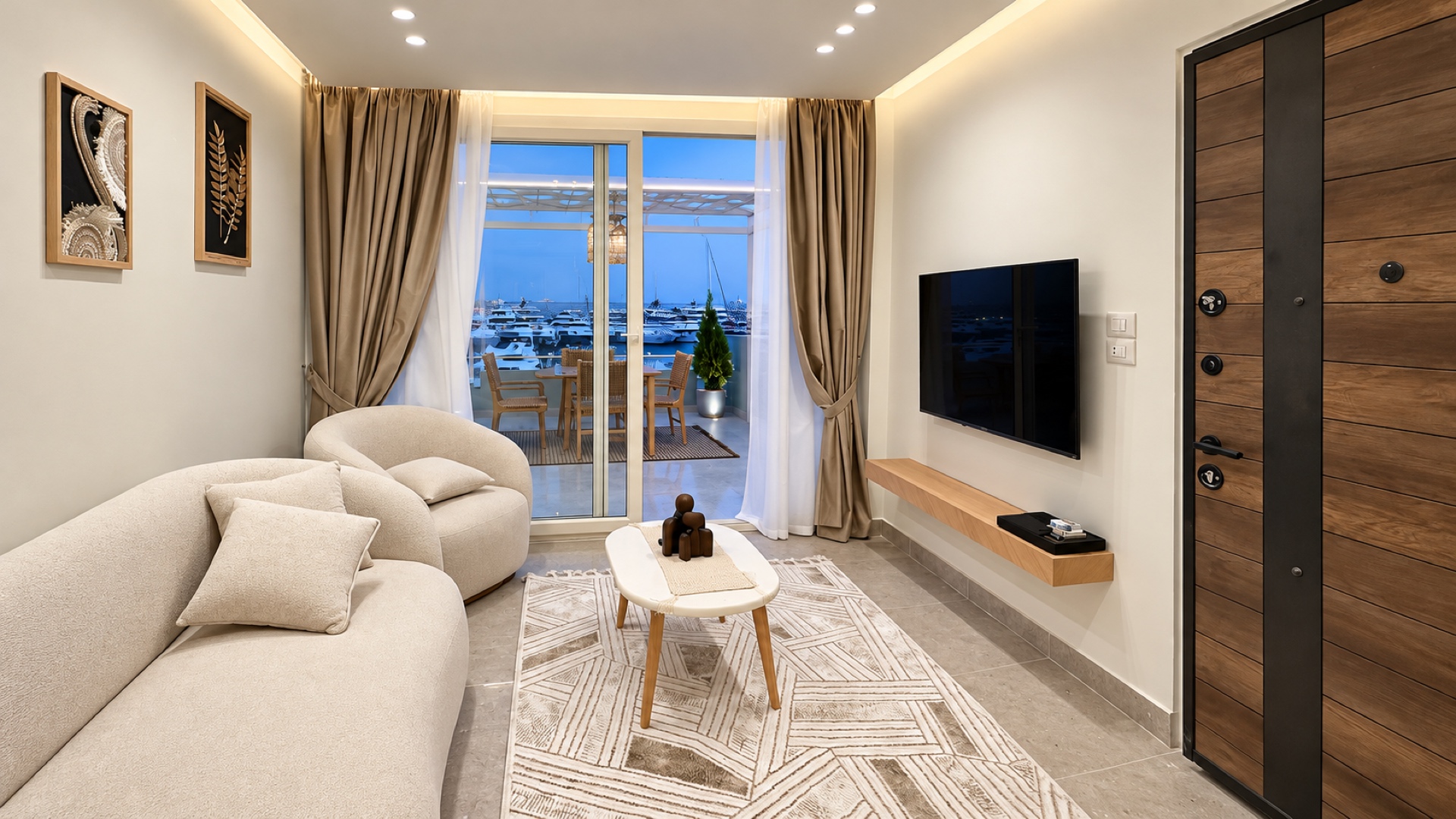

A property that serves your own holidays and produces income at other times can be appealing, but the two objectives do not always point to the same home. The best decision starts by defining which purpose comes first and what compromises you are genuinely willing to make.
Protect the reason you want to own
If you are buying mainly for personal use, write down what makes a stay enjoyable for you: beach access, a quiet bedroom, walking distance to restaurants, outdoor space, lift access or room for family. Do not sacrifice every personal priority for a theoretical rental feature.
If income is the main objective, evaluate the home more commercially. Consider likely guest profile, access, management, running costs, seasonality and the competition around the exact location. A sea view may support demand, but it does not compensate for difficult access or weak management.
Choose dates before projecting income
The weeks you most want to use may also be attractive rental periods. Block your likely personal dates first, then estimate what remains. A projection based on renting the property every desirable week is not useful if those are the weeks you plan to occupy it.
Check whether rental use is practical
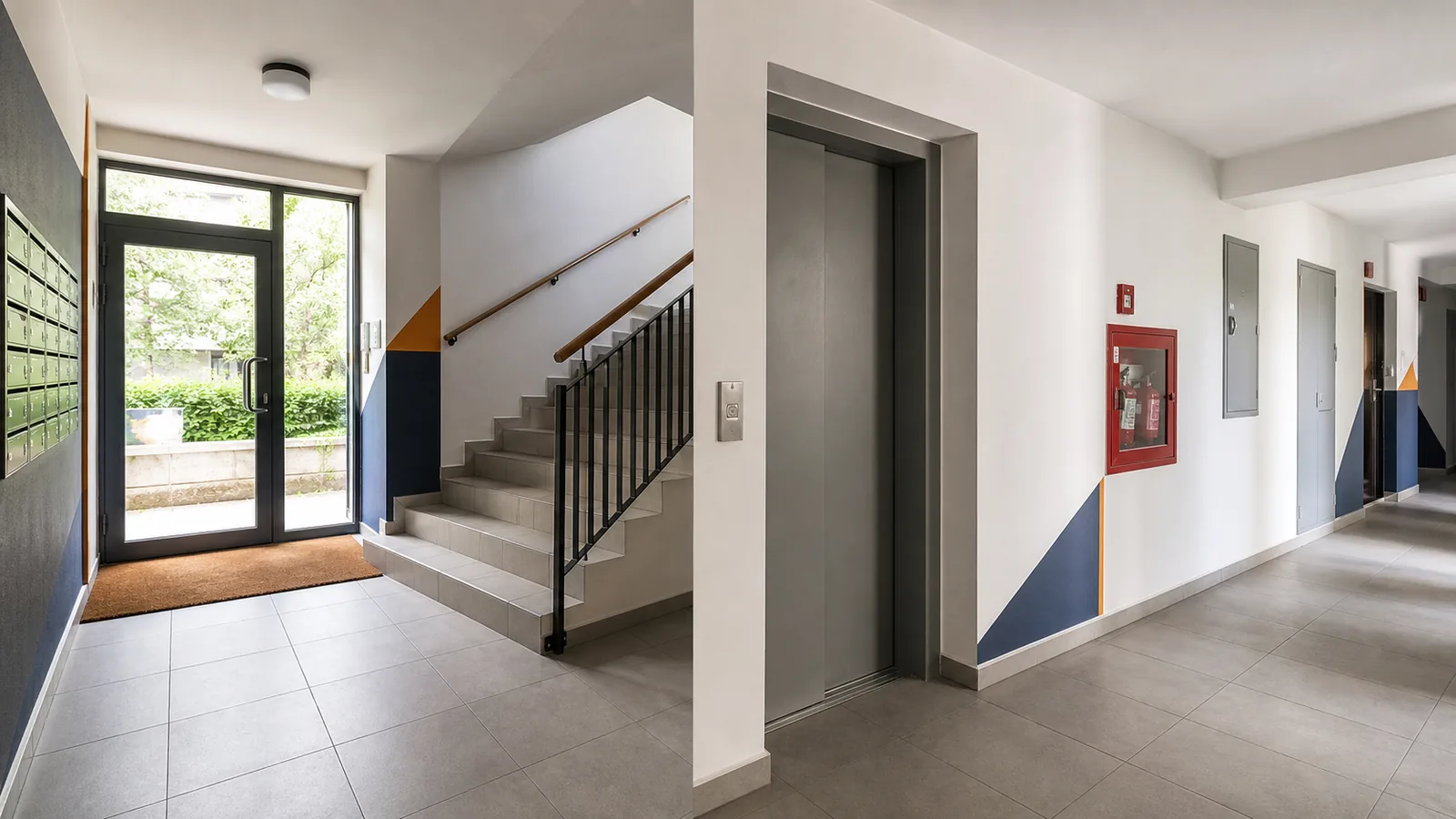
Ask about current building or resort rules, guest registration, access cards, minimum stays, management requirements and any restrictions that may apply. These details can change, so written confirmation for the exact community matters.
Also consider who will manage:
- guest communication and arrival;
- cleaning, linen and inspections;
- repairs between stays;
- utility and internet issues;
- keys and access;
- income and expense records.
Remote ownership requires a dependable local system. Include management and maintenance in the budget rather than treating them as an afterthought.
Furnish for durability and comfort
A personal home may contain delicate or highly individual items. A part-time rental needs furniture that is comfortable, easy to maintain and replaceable. Provide adequate storage for guests and a secure place for personal belongings if possible.
Air conditioning, hot water, practical kitchen equipment, reliable internet and clear instructions often matter more to the stay than decorative extras.
Use conservative numbers
Separate gross booking income from net income. Allow for vacant periods, management, cleaning, utilities, maintenance, replacements, platform or marketing costs and applicable obligations. Do not assume current demand will remain identical every year.
A balanced property is one you would still be pleased to own if rental results were lower than hoped. Harmony Properties can help you compare area, management and property characteristics, while specialist advisers should guide legal, tax and operating requirements.
Continue Your Research
Compare the current properties for sale, review the available Red Sea projects, or explore the Hurghada area guides.
This article provides general property guidance and is not a substitute for independent legal, financial or tax advice about your circumstances.